The ATR 72 is one of the world’s most trusted and widely used regional airplanes. It is known for being fuel-efficient, simple to maintain, and ideal for short-distance flights. Even small airports with shorter runways can handle the ATR 72 easily, which is why many airlines rely on it for regional travel.
The aircraft is manufactured by ATR, a partnership between two companies Airbus from France and Leonardo from Italy. Over the years, the ATR 72 has become popular not only among airlines but also among military forces, coast guards, and cargo operators.
This article explains its history, design, performance, different versions, and real-world operators in the simplest way possible.
History
The ATR 72 was created to meet airline demand for a slightly bigger aircraft than the ATR 42. During the 1980s, many airlines wanted an aircraft that could carry more passengers but still offer low fuel costs. The ATR 42 was already successful, so ATR simply extended the design to build a larger version of the ATR 72.
Its first flight took place in 1988, and in less than a year, it began flying passengers. What made it popular early on was its ability to take off from small airports and its low overall operating cost. This allowed airlines to offer more routes and increase connectivity in remote areas.
Even after many decades, the ATR 72 is still being produced and continues to be one of the most successful turboprop aircraft ever made.
Development
Origins
ATR started as a collaboration between France and Italy to design affordable regional aircraft. After the ATR 42, demand rose for a slightly larger plane with:
- More seats
- Better fuel performance
- Stronger engines
- Larger wings
- Better stability
The ATR 72 was designed by stretching the fuselage and improving the aircraft’s aerodynamics. The idea was simple: create an airplane that is cost-effective, easy to fly and suitable for short-distance travel.
Further Development
As technology improved, ATR continued upgrading the aircraft instead of replacing it. This helped airlines use the same familiar design while getting better features.
Key improvements over time included:
- Quieter and more powerful engines
- Better avionics (digital flight instruments)
- More comfortable cabins
- Lower fuel burn
- Safer systems for icing and weather conditions
The ATR 72-600, which is the most modern version, includes a fully digital cockpit, improved performance, and customizable interiors such as the luxurious HighLine Editions.
Design
The ATR 72 has a high-wing design, meaning its wings sit on top of the fuselage. This helps passengers board easily and keeps the propellers safely away from the ground.
Here are some simple design features:
- Two turboprop engines that burn less fuel than jet engines
- Lightweight materials that make the aircraft more efficient
- Simple landing gear suitable for smaller airports
- Cabin that fits up to 78 passengers
- Short Takeoff and Landing (STOL) capability
- Straightforward maintenance, making it ideal for developing regions
Because the aircraft uses less fuel, it produces fewer emissions, making it an environmentally friendly choice for airlines.
Operational History
Iran Air
Iran Air used modern ATR 72-600 aircraft to improve domestic flights. These planes were important for connecting small cities within Iran. Despite sanctions and challenges, the ATR 72 performed well in Iran’s mixed climate and geography.
Turkish Navy
The Turkish Navy operates advanced ATR 72 versions for maritime missions. These aircraft help with:
- Sea patrols
- Search and rescue
- Anti-submarine operations
They carry special sensors, radars, and mission systems.
Italian Air Force
The Italian Air Force uses the ATR 72 mainly for transport and surveillance roles. It is valued for its low running cost and ability to stay in the air for long missions.
Guardia di Finanza
Italy’s Guardia di Finanza uses specialized ATR 72 patrol aircraft to monitor coastal areas. They help prevent smuggling, illegal fishing, and other maritime crimes.
FedEx Express
FedEx uses the cargo version of the ATR 72 to deliver packages to smaller cities. Because it can land on short runways, FedEx can reach more destinations without needing larger airports.
Failed Bids
In some government or military tenders, ATR submitted proposals but did not win. Reasons often included political factors or preference for jet-powered aircraft rather than turboprops.
Variants
ATR 72-100
The first production version, mainly used for short regional routes. It established the aircraft’s good reputation.
ATR 72-200
This version included more efficient engines and better performance in challenging weather or higher altitudes.
ATR 72-210
Equipped with PW127 engines, giving it improved takeoff power and higher payload capacity.
ATR 72-212A
A very successful version with improved avionics, higher weight limits, and better reliability. Used by many airlines globally.
ATR 72-600 HighLine Editions
These versions are designed specifically for VIPs, business travel, or private charter. They include premium seating and upgraded interiors.
ATR 72MP
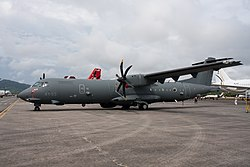
This is a maritime patrol version used for coast guarding, security missions, and sea surveillance. It includes advanced sensors and mission control systems.
Other Versions
There are additional special-purpose versions, such as:
- Cargo transport
- Medical evacuation (air ambulance)
- Passenger + cargo mixed versions
- Private / VIP configurations
Major Operators
Civilian Operators
Many airlines across the world use the ATR 72 because it is cheap to operate and ideal for shorter routes. Major operators include:
- IndiGo
- Air New Zealand
- Wings Air (Indonesia)
- Binter Canarias
- Garuda Indonesia
- Azul Brazilian Airlines
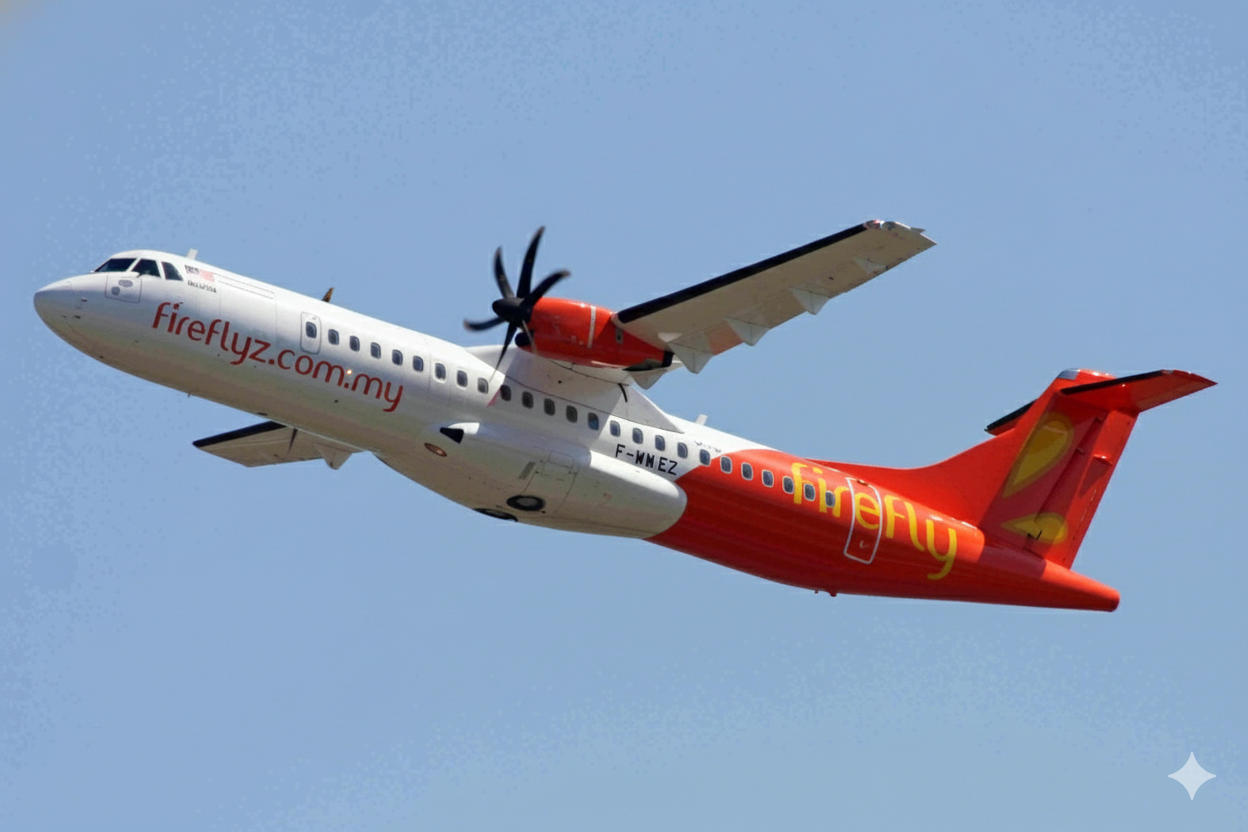
- Firefly (Malaysia)
Military Operators
Military and government users include:
- Italian Air Force
- Turkish Navy
- Pakistan Navy
- Guardia di Finanza
- French Customs
Accidents and Incidents
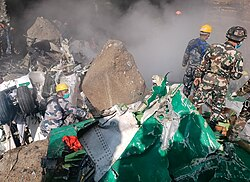
Like all aircraft with long service histories, the ATR 72 has had some accidents. Most were linked to severe weather, pilot errors, or icing problems in older versions. Over time, ATR made major safety improvements, especially in de-icing technology and cockpit alerts.
The newer ATR 72-600 has a strong safety record and is considered reliable for regional operations.
Specifications
- Crew: 2
- Passengers: 68–78
- Length: around 27.2 meters
- Wingspan: around 27 meters
- Engines: 2 × PW127M turboprops
- Cruise speed: about 510 km/h
- Range: 1,300–1,500 km
- Maximum altitude: around 25,000 feet
These numbers vary slightly depending on the version. read more
About the Author