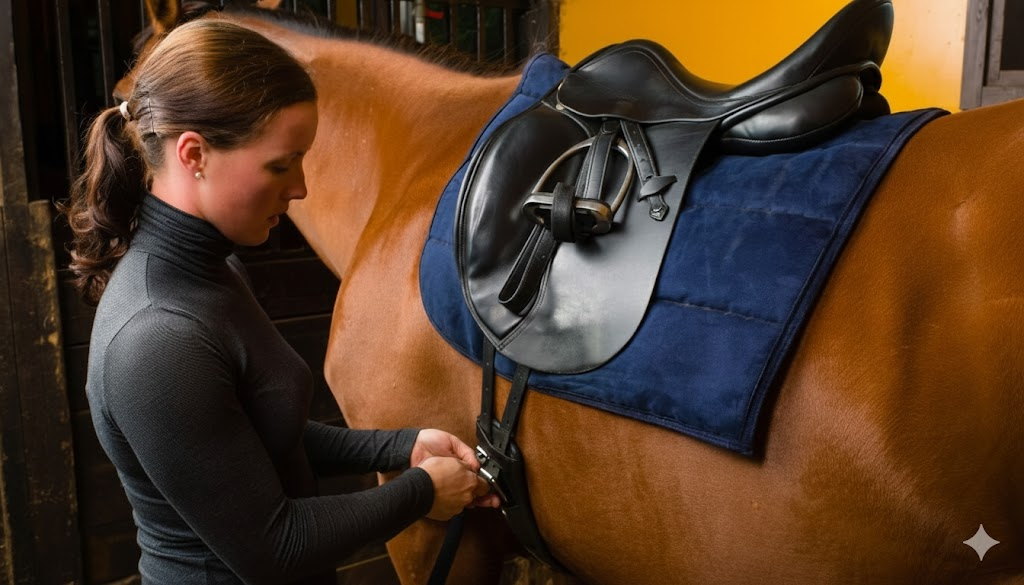
If you are new to horseback riding or looking to improve your experience, understanding saddles is key. A saddle isn’t just a seat, it is a vital tool that affects your comfort, your horse’s health and your overall riding performance.
In this guide we will cover the history of saddles, explore the different types, materials and fitting tips and give simple, beginner-friendly advice to help you choose the right saddle.
What Is a Saddle?
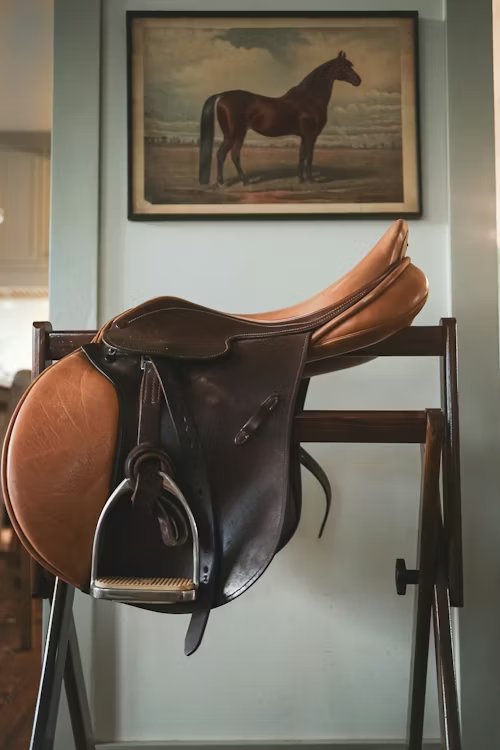
A saddle is a supportive seat that attaches to a horse’s back. It helps distribute your weight evenly which protects your horse and keeps you balanced while riding.
Why Saddles Are Important
- Comfort for the Rider: A good saddle prevents soreness and fatigue, allowing you to ride longer.
- Protection for the Horse: Saddles prevent pressure points and back injuries.
- Improved Riding Performance: A well-fitted saddle makes it easier to maintain balance, control, and proper posture.
A Brief History of Saddles
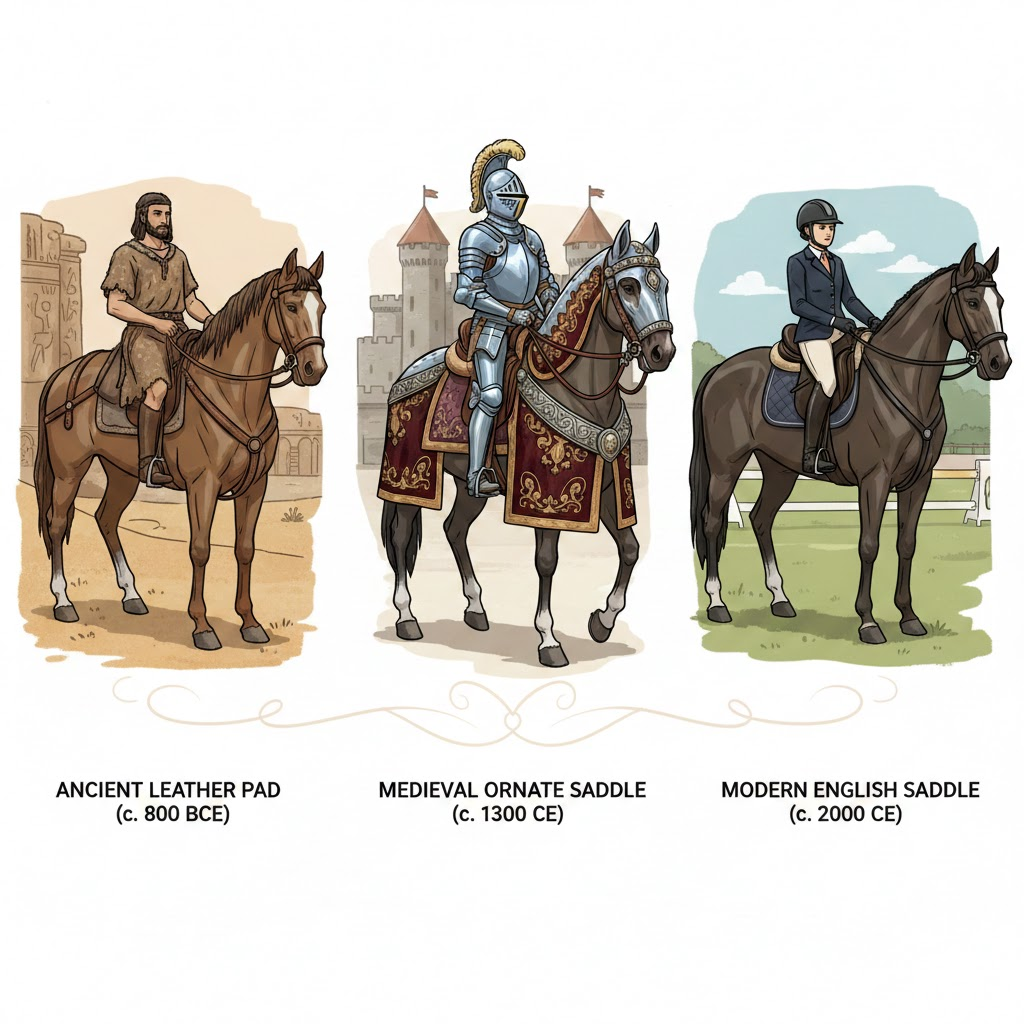
Saddles have been around for thousands of years. The first simple pads or cloths were used by ancient riders to make horseback riding more comfortable. Around 700 BC, early saddles made of leather and wood appeared in Central Asia.
As riding techniques evolved, so did saddles:
- Medieval Europe: Saddles became more structured with high backs and stirrups to support knights in battle.
- Mongolian Empire: Lightweight, flexible saddles allowed riders to travel long distances efficiently.
- Modern Era: Saddles are now designed for specific disciplines, such as dressage, jumping, and trail riding, prioritizing comfort and safety for both rider and horse.
Understanding the history helps you appreciate why saddles are shaped the way they are today; they evolved to meet riders’ needs and keep horses healthy.
Types of Saddles
Choosing the right type of saddle depends on your riding style, skill level, and the activities you want to do.
1. English Saddles
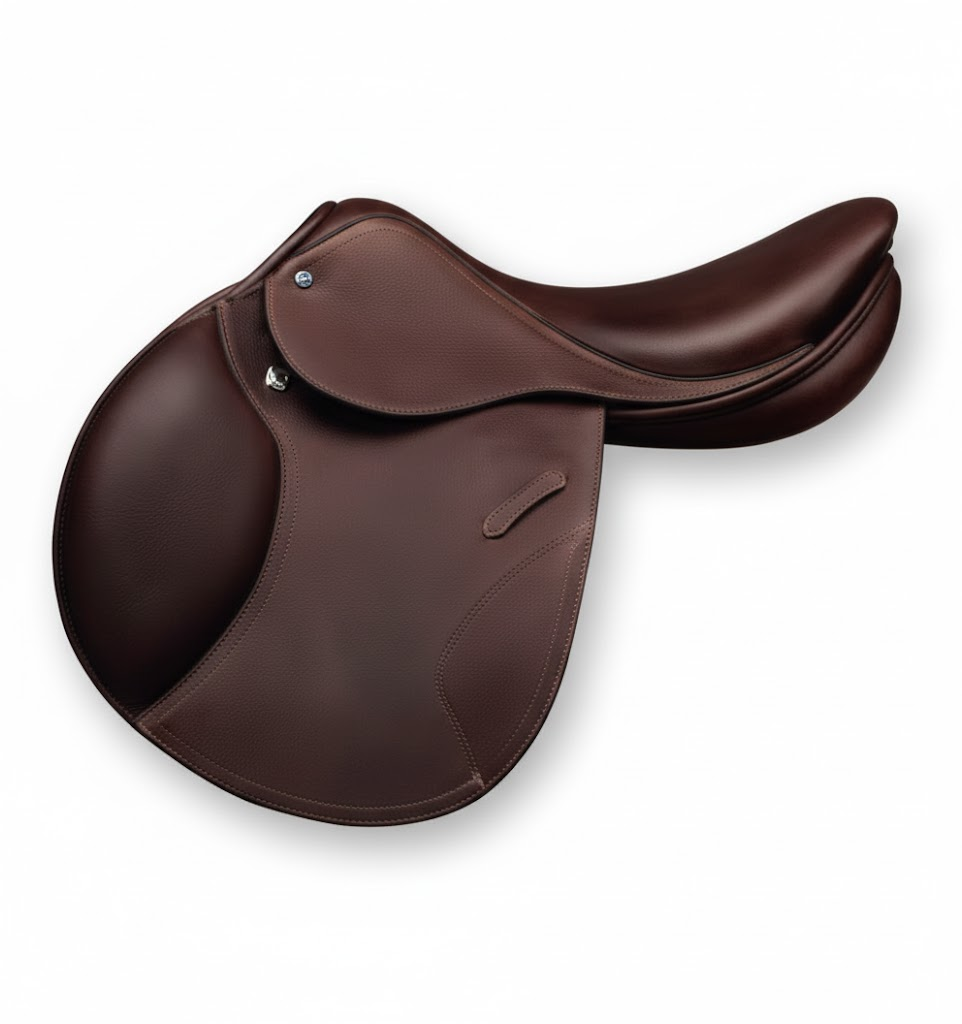
English saddles are lightweight and versatile. They are commonly used for dressage, jumping, eventing, and general riding lessons.
Popular English Saddle Types:
- Dressage Saddle: Deep seat for better posture and long flaps to fit longer leg positions. Ideal for precise control.
- Jumping Saddle: Forward-cut flaps to help you lean forward while jumping.
- All-Purpose Saddle: Great for beginners. Offers moderate support for both jumping and flat work.
2. Western Saddles
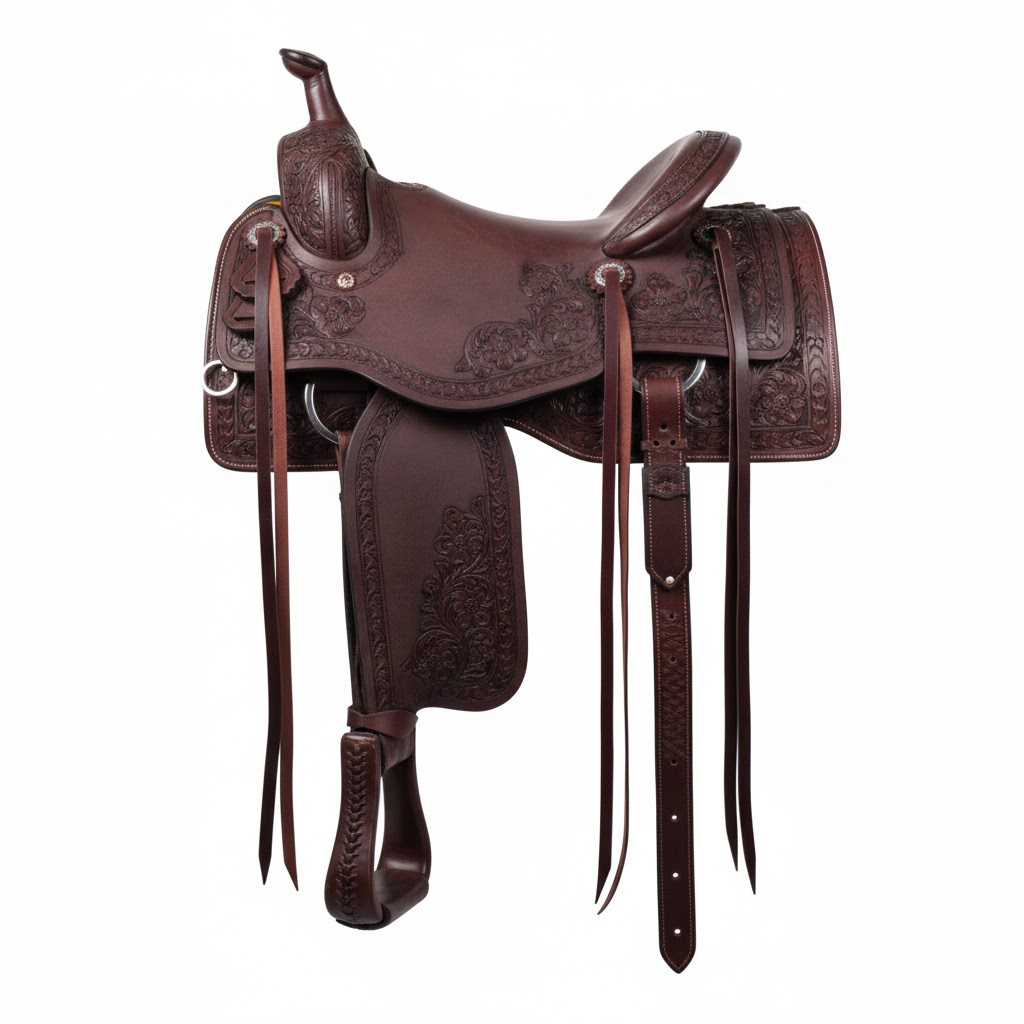
Western saddles are heavier and designed for long rides or ranch work.
Key Features:
- A horn at the front to help with roping
- Wide seat for comfort during long rides
- Fenders to protect your legs
Popular Uses: Trail riding, barrel racing and cattle work.
3. Specialty Saddles
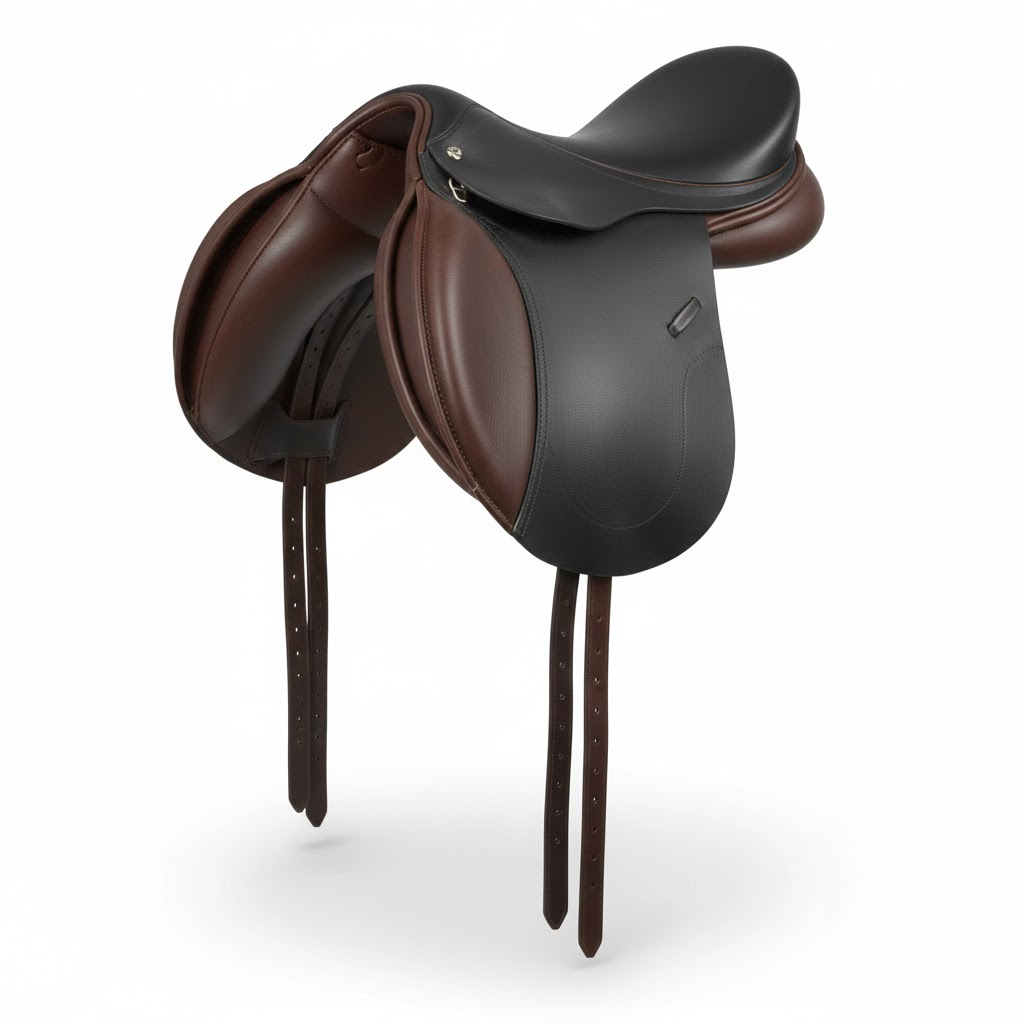
- Endurance Saddles: Lightweight, designed for long-distance riding
- Treeless Saddles: Flexible base for close contact with the horse
- Australian Stock Saddles: Blend of English and Western features for comfort and control
Saddle Materials
The material of a saddle affects its comfort, durability and maintenance.
Leather Saddles
- Pros: Durable, long-lasting, molds to your body over time
- Cons: Expensive and needs regular cleaning and conditioning
Synthetic Saddles
- Pros: Lightweight, affordable, easy to clean
- Cons: Less durable than leather, may not conform to your body as well
Combination Saddles
Some saddles combine leather and synthetic materials to balance cost, comfort, and durability.
How to Choose the Right Saddle
Choosing a saddle may seem tricky, but it’s all about fit, comfort, and your riding style.
1. Know Your Riding Discipline
- Dressage riders need deep seats for stability
- Jumpers need forward-cut flaps for shorter stirrups
- Trail riders benefit from wide, cushioned seats
2. Consider Your Horse’s Shape
- Horses have different back shapes some are narrow and others wide
- A poorly fitted saddle can cause soreness or injury
- Always measure your horse’s back or consult a professional fitter
3. Try Before You Buy
- Sit in the saddle to check comfort
- Watch how your horse moves with the saddle on
- Make sure it doesn’t slip or pinch
4. Proper Saddle Fit Checklist
- Sits level on the horse’s back
- Gullet allows spine movement
- Panels distribute weight evenly
- Stirrups and seat feel comfortable for you
Saddle Accessories and Maintenance
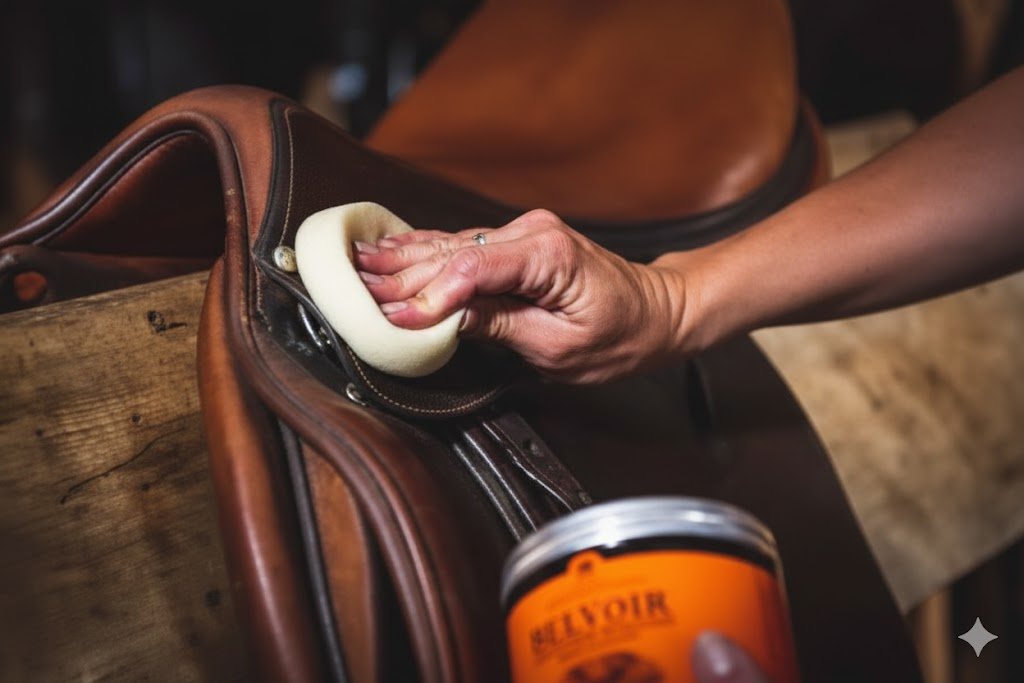
Keeping your saddle clean and well-maintained protects your investment and ensures safety.
Essential Accessories
- Saddle Pad: Extra cushioning to absorb sweat and prevent rubbing
- Girth or Cinch: Holds the saddle in place
- Stirrups: Support your feet and improve balance
Simple Maintenance Tips
- Clean leather saddles regularly with saddle soap
- Condition leather to prevent cracking
- Inspect stitching and parts for wear
Common Saddle Problems and How to Avoid Them
1. Pressure Points
- Cause soreness and injury
- Fix: Use a correctly fitted saddle and padding
2. Slipping Saddle
- Often caused by improper girth tightening or wrong saddle shape
- Fix: Adjust girth, use non-slip pads
3. Rider Discomfort
- Caused by seat size or stirrup length
- Fix: Try different saddles or consult a professional
Tips for Beginner Riders
- Start with an all-purpose saddle to try different riding styles
- Check saddle fit every ride
- Learn basic saddle care
- Consider professional fitting for best results
Conclusion
Saddles are a critical part of horseback riding. Understanding their history, types, materials, and fit ensures a comfortable and safe experience for both you and your horse. Choosing the right saddle isn’t just about comfort, it’s about protecting your horse’s health and enhancing your riding performance. read more
About the Author