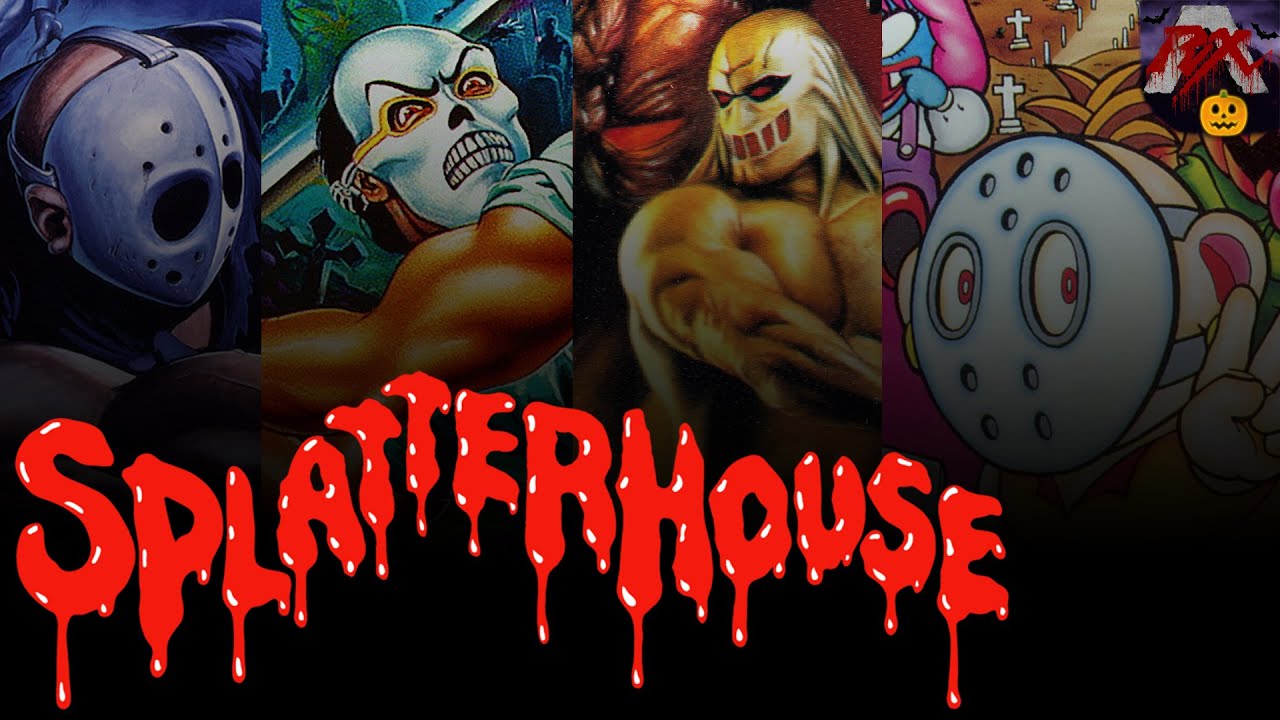
Introduction to Splatterhouse
If you’re into dark, creepy, and old-school action games, Splatterhouse is one name you just can’t ignore. Developed by Namco back in 1988, this horror-action gem mixed blood, fear, and brutal combat in a way no one had seen before,
You play as Rick Taylor, a guy who wakes up in a haunted mansion wearing a mysterious mask that gives him monstrous strength. His goal? Save his girlfriend Jennifer from evil spirits — and survive the nightmare inside.
What made Splatterhouse special wasn’t just the violence. It was the eerie atmosphere and raw, arcade-style tension that made gamers keep coming back for more.
The Origin and Development
Splatterhouse first hit Japanese arcades in 1988 and was later brought to home consoles like the TurboGrafx-16. Namco’s idea was simple yet bold — mix Western horror movie vibes with Japanese arcade design.
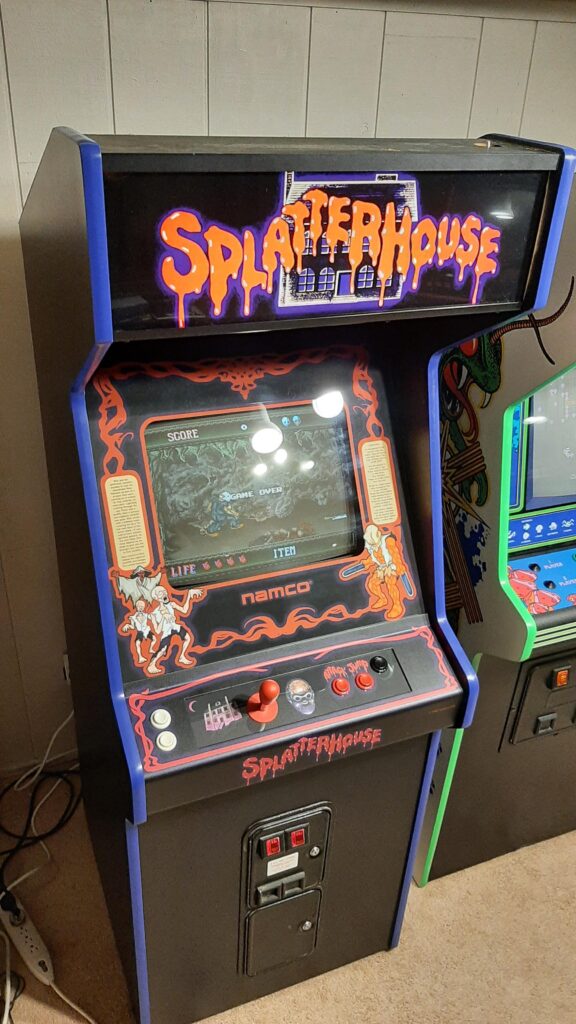
The team took inspiration from classic horror flicks such as Friday the 13th, Evil Dead, and Poltergeist. You can feel that movie-like tension in every scene — from blood-splattered walls to creepy monsters.
Even though censorship trimmed a few scenes in some countries, the shocking visuals and gory style made Splatterhouse stand out from anything else at the time.
Evolution of the Splatterhouse Series
The success of the original game kicked off a full horror legacy.
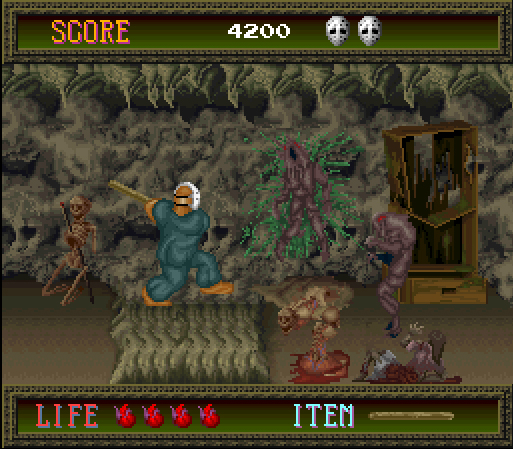
Splatterhouse 2 (1992): Continued Rick’s bloody mission with better animations and smoother controls.
Splatterhouse 3 (1993): Introduced non-linear gameplay, multiple endings, and more focus on story depth.
Original (1992-93)
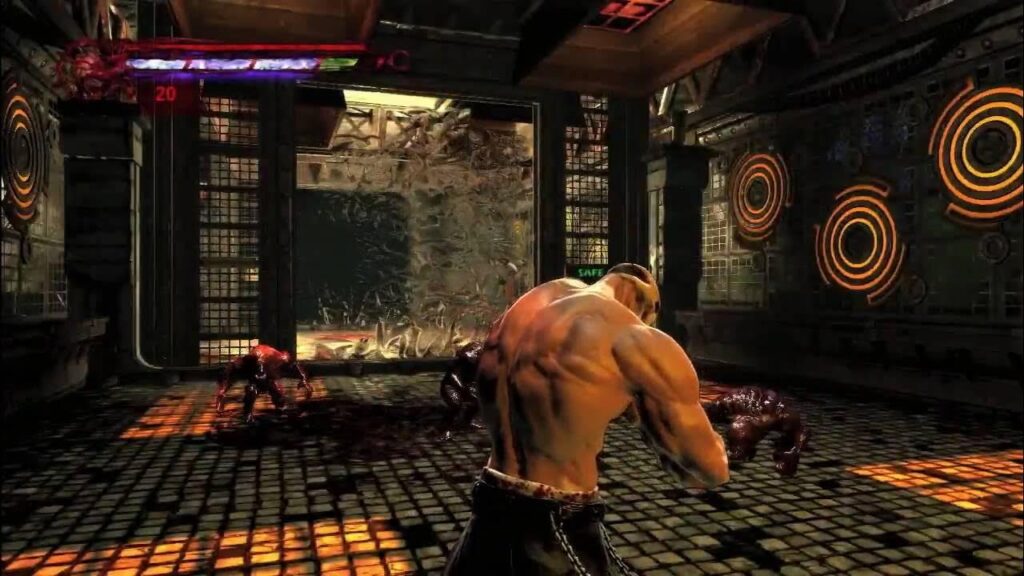
Splatterhouse (2010 Remake): Stunning 3D graphics, voice acting, and the same brutal combat fans loved.
Remake 2010:
Honestly, each version brought something unique while staying true to the series’ dark roots.
Gameplay and Main Features
Splatterhouse is a side-scrolling beat ’em up — simple to play but packed with intensity.
You punch, kick, and smash through endless waves of monsters using anything you can grab — from wooden planks to chainsaws.
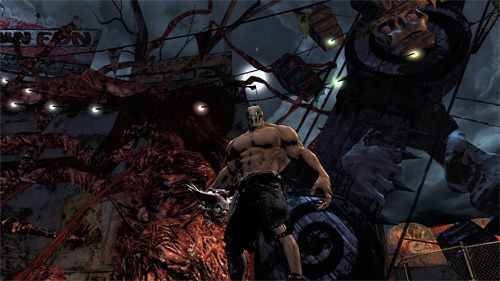
Rick’s Terror Mask isn’t just for show — it turns him into a powerhouse capable of tearing enemies apart.
Each stage feels like a mini horror movie — from haunted hallways to twisted laboratories. There’s this constant sense of danger that keeps you on edge.
Honestly, for an arcade title, the game nailed the horror vibe better than many modern games even try to.
Graphics, Sound, and Horror Elements
For something released in the late ’80s, Splatterhouse looked incredible. The pixel art was dark and disturbing — rotten creatures, dripping walls, and eerie backgrounds that looked straight out of a nightmare.
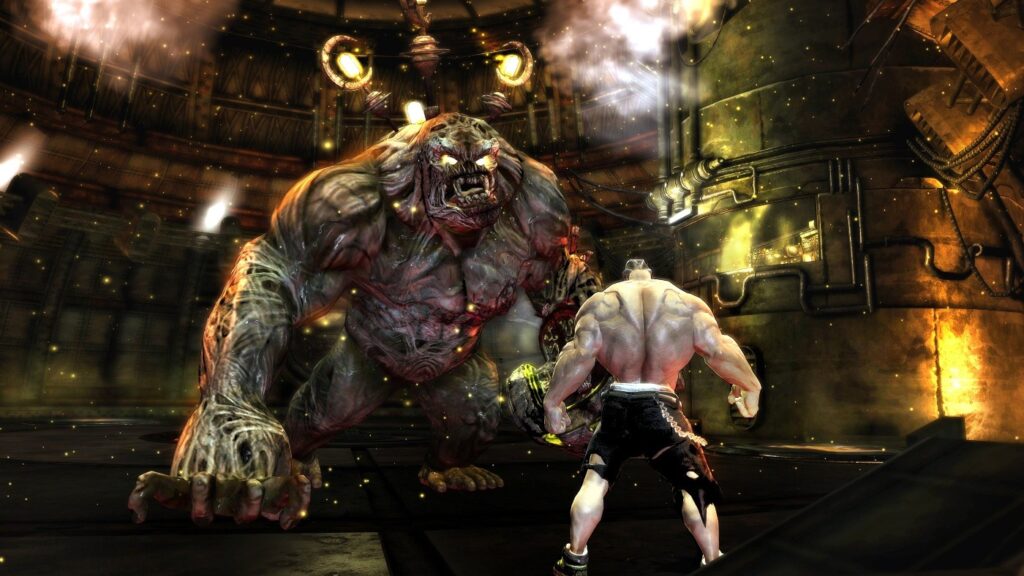
The sound design played a huge part too. Every scream, splatter, and echo pulled you deeper into the mansion’s terror. That eerie music still gives chills if you listen to it today.
The visual style wasn’t realistic, but it didn’t need to be it captured horror through imagination, which somehow makes it even scarier.
Cultural Impact and Legacy
Splatterhouse wasn’t just another game; it became a cult classic.
Back in the day, parents were shocked, critics were divided, but gamers absolutely loved it.
It was one of the first games to mix cinematic horror with arcade-style action, influencing later titles like Resident Evil and Silent Hill.
Even now, Splatterhouse has a strong fanbase — people collect its old cartridges, create fan art, and share memories online.
That’s the kind of influence only true classics have.
Reviews and Player Opinions
When it first came out, critics weren’t sure what to make of it. Some called it too violent, others said it was revolutionary.
Over time though, Splatterhouse earned respect as one of the games that pushed gaming boundaries.
Modern players often describe it as “simple but thrilling,” and that’s exactly what makes it timeless.
Personally, I think both versions have their own magic — one is nostalgic, the other is chaotic fun.
conclusion
There’s a reason Splatterhouse is still talked about decades later. It wasn’t perfect, but it dared to be different. It mixed fear, action, and creativity in a way few games ever did.
From its 1988 arcade debut to its 3D revival, Splatterhouse stayed true to one thing — pure, unapologetic horror.
If you love games that challenge your nerves and imagination, this one deserves a spot on your list.
Even after all these years, Splatterhouse remains the undisputed pioneer of horror-action gaming. read more
About the Author