Introduction: The Physical Epicenter of Epstein’s Network
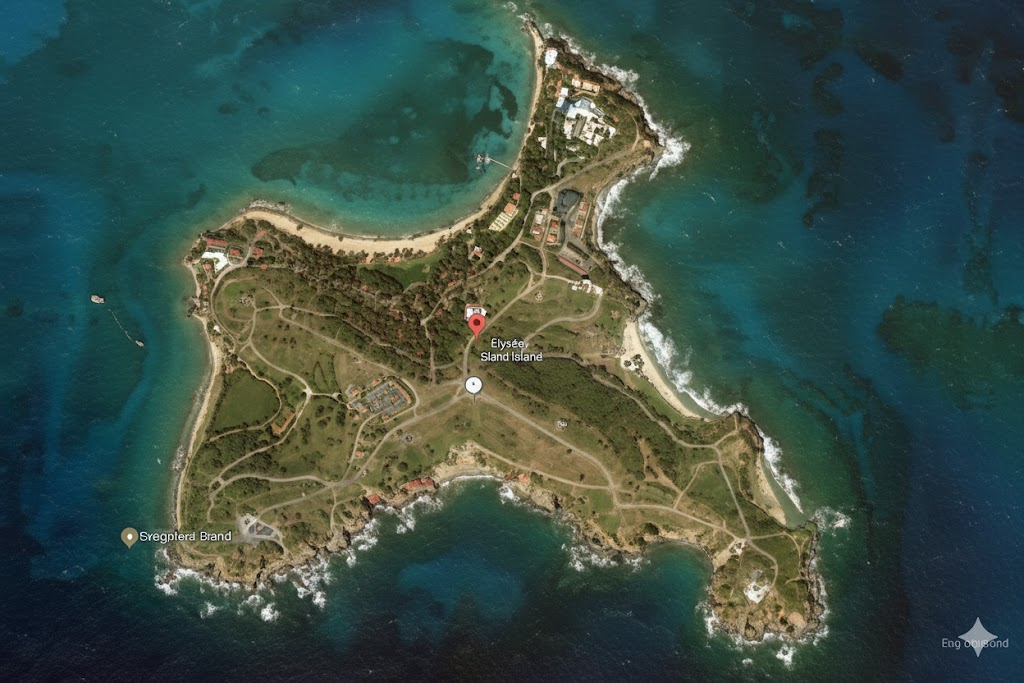
Jeffrey Epstein’s private island, Little Saint James, located in the U.S. Virgin Islands, represents the physical core of his sprawling social and operational network. Media coverage often portrays the island as simply a luxurious retreat, but the truth is that it was a carefully designed, self-contained operational hub. Every detail from the choice of location, the construction of residences and recreational areas, to the flights, staffing, and logistics was meticulously planned for efficiency, privacy and control.
This article provides a detailed examination of:
- Geographic location and strategic advantages
- Physical layout of the island
- Flights, transportation, and maritime logistics
- Staff structure, roles, and management
- Daily operations, supply chains, and infrastructure
- Security and operational control mechanisms
By understanding these elements, we can gain insight into how Epstein managed a complex, high-profile environment without public scrutiny for decades.
1. Geographic Location and Strategic Importance
Little Saint James: Geography and Acquisition
- Epstein purchased Little Saint James in 1998, covering roughly 70–78 acres.
- The island is situated approximately 70 miles east of Puerto Rico within the jurisdiction of the U.S. Virgin Islands.
- Its remote location made it ideal for privacy, isolation and controlled access.
Strategic Advantages of the Location
- Seclusion: The island is physically isolated with no roads connecting it to other islands or the mainland.
- Controlled Access: Epstein could dictate who arrived and departed, ensuring privacy for visitors.
- Legal Ambiguity: While under U.S. jurisdiction, the island’s remoteness complicated enforcement and monitoring.
- Privacy for High-Profile Guests: Politicians, celebrities, and scientists could visit without media attention.
- Operational Flexibility: The location enabled both social gatherings and tightly controlled operational activities.
The island’s geography was central to its function: Epstein controlled every physical variable from arrival to departure.
2. Physical Layout of the Island
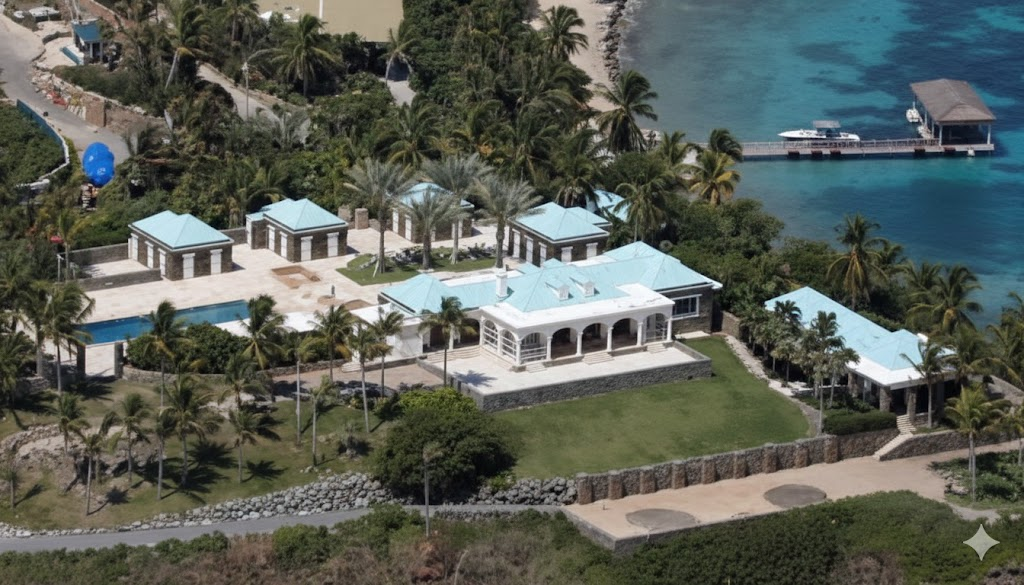
The island was divided into functional zones, each carefully planned to serve a purpose.
2.1 Primary Structures
- Main Mansion
- Served as the operational hub and social center
- Multi-bedroom estate with entertainment areas, offices, and leisure spaces
- Positioned to provide oversight of nearby villas
- Guest Villas
- Separate accommodations for high-profile visitors
- Allowed privacy and discretion
- Segregated from operational and staff areas
- Staff Quarters
- Housed domestic staff, security personnel, and administrative assistants
- Strategically located to oversee operations without being intrusive
- Dock and Boat Facilities
- Centralized maritime access
- Monitored arrivals and departures
- Facilitated shipment of supplies
- Helipad
- Enabled discreet, rapid travel to and from the island
- Protected high-profile visitors from media exposure
- Recreational Areas
- Pools, gyms, tennis courts, and beaches
- Designed to create an environment of leisure and luxury
- Maintained the illusion of a private retreat
- Peripheral Structures
- Greenhouses, storage areas, and service buildings
- Maintained operations for staff and visitors
2.2 Zoning for Efficiency
- Operational Zone: Staff housing, storage, and supply management
- Guest Zone: Main mansion, villas, recreational areas
- Transportation Zone: Docks, helipad, and internal pathways
- Security Zone: Checkpoints, surveillance points, and restricted areas
This zoning allowed smooth workflow and ensured that visitors experienced luxury without exposure to operational complexity.
3. Flight and Transportation Logistics

3.1 Private Jets
Epstein owned multiple aircraft, which were central to transporting:
- High-profile guests
- Staff and assistants
- Supplies
Flight Coordination
- Departure often from private terminals to maintain discretion
- Flight logs documented passengers, though public access was limited
- Pilots were trusted personnel who executed precise itineraries
3.2 Sea Transport
- Boats ferried visitors from nearby islands
- Docks were staffed and secured to prevent unauthorized landings
- Supplies, including food, fuel, and equipment, arrived via maritime routes
3.3 Internal Movement
- Golf carts, walking paths, and restricted roadways
- Segregation of staff and guest routes to maintain privacy
- Restricted areas enforced operational hierarchy
Transportation was not just convenience it was an essential part of island operations.
4. Staff Structure and Roles
Epstein’s staff were highly specialized and organized, forming the backbone of island operations.
4.1 Key Personnel
- Ghislaine Maxwell
- Oversaw overall coordination of guests and staff
- Managed logistical and administrative tasks
- Sarah Kellen (Kensington)
- Managed appointments, schedules, and daily operational flow
- Ensured smooth arrival, accommodation, and movement of guests
- Nadia Marcinkova
- Assisted with administrative operations
- Coordinated internal workflow
- Pilots and Boat Operators
- Responsible for safe and timely transportation
- Managed flight and maritime logistics
- Security Personnel
- Controlled internal and external access
- Ensured operational compliance among staff
- Domestic Staff
- Housekeeping, cleaning, cooking, and hospitality
- Maintained operational efficiency while preserving guest privacy
4.2 Staff Coordination
- Staff operated in shifts to provide 24/7 coverage
- Roles were clearly defined and strictly enforced
- Staff acted as the interface between guests and operations, ensuring seamless functionality
5. Daily Operations
The island’s operations were highly regimented, allowing for efficiency and discretion.
5.1 Guest Management
- Pre-planned itineraries for arrivals and departures
- Accommodation arrangements for high-profile guests
- Coordination of recreational activities and private events
5.2 Facility Management
- Maintenance of main mansion, villas, docks, and recreational areas
- Utilities management: water, electricity, and communications
- Groundskeeping and landscaping
5.3 Staff Operations
- Scheduling and shift rotations
- Coordination of housekeeping, kitchen, and administrative tasks
- Security monitoring and adherence to operational protocols
5.4 Logistics Management
- Supplies delivered via boats or aircraft
- Storage and inventory carefully managed
- Operational contingency plans in place for emergencies
The combination of these processes created a fully functional, self-contained estate capable of handling multiple guests and complex logistics simultaneously.
6. Security and Monitoring
6.1 External Security
- Controlled docks and helipad access
- Private security personnel monitored all approaches
- Restricted zones prevented unauthorized entry
6.2 Internal Security
- Surveillance cameras in key areas
- Staff monitored operations discreetly
- Internal segregation of zones maintained hierarchy and order
Security was integral to operations, ensuring privacy, safety, and operational efficiency.
7. Supply Chains and Infrastructure
The island’s isolation meant it required self-sufficiency:
- Regular shipments of food, beverages, and luxury items
- Fuel for generators, boats, and vehicles
- Cleaning, maintenance, and utility supplies
Supply chains were timed and controlled, maintaining continuity of operations and preventing any disruption.
8. Operational Efficiency
Little Saint James functioned as a well-oiled private organization:
- Staff and roles clearly defined
- Transportation precisely coordinated
- Guest itineraries and services tightly managed
- Infrastructure maintained 24/7
Efficiency ensured smooth operations and maximum privacy, allowing Epstein to manage multiple high-profile guests and staff without disruption.
9. Integration of Flights, Staff and Daily Operations
The combination of transportation, staffing, and daily operations created a cohesive operational system:
- Flights brought guests and staff according to a precise schedule
- Maritime transport coordinated supply deliveries and arrivals
- Staff managed accommodation, security, and operations seamlessly
- Daily logistics ensured smooth functioning of utilities, recreational facilities, and administrative tasks
This integration allowed Epstein Island to function like a private and self-contained hub, maintaining both luxury and control.
10. Legacy and Significance
- Little Saint James was both a social hub and operational center
- Flights, staff, and logistics ensured continuous operation without public scrutiny
- The island’s design reflected a combination of privacy, control, and efficiency
Even after Epstein’s death, understanding the island’s physical operations provides insight into how a remote property can support complex, high-profile activities securely.
Conclusion: Epstein Island as a Physical and Operational System
Jeffrey Epstein’s Little Saint James was:
- Strategically located for privacy and control
- Carefully designed in zones for staff, guests, and recreation
- Logistically efficient, with coordinated flights and maritime transport
- Staffed by a disciplined workforce, ensuring 24/7 operations
- Secured with surveillance and restricted access
- Self-sufficient, with controlled supply chains and infrastructure
In short, Epstein Island was not just a retreat, it was the operational backbone of his network, demonstrating how isolation, structure and precise logistics can support an extensive private enterprise while maintaining discretion. read more
About the Author