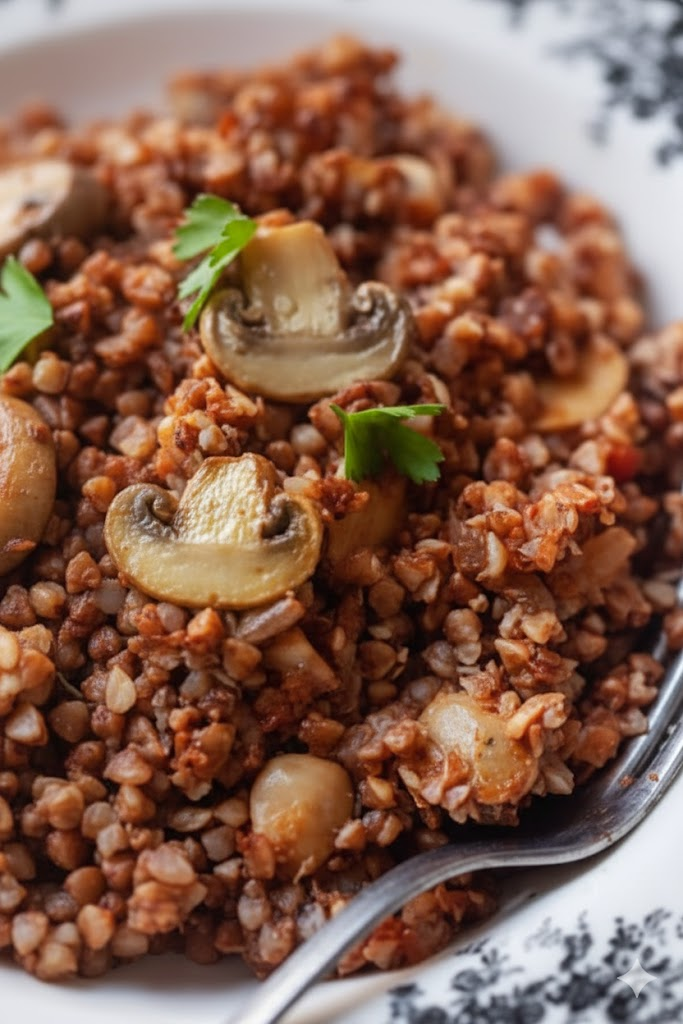
Kasha is a healthy and nutrient packed food that has been enjoyed for centuries across Eastern Europe if you have never tried it before you might be surprised at how easy it is to cook and how delicious it tastes and how helpful it can be for your health. In this beginner friendly guide we will explore everything about kasha from its beginning and health benefits to how to cook it perfectly every time.
What is Kasha?
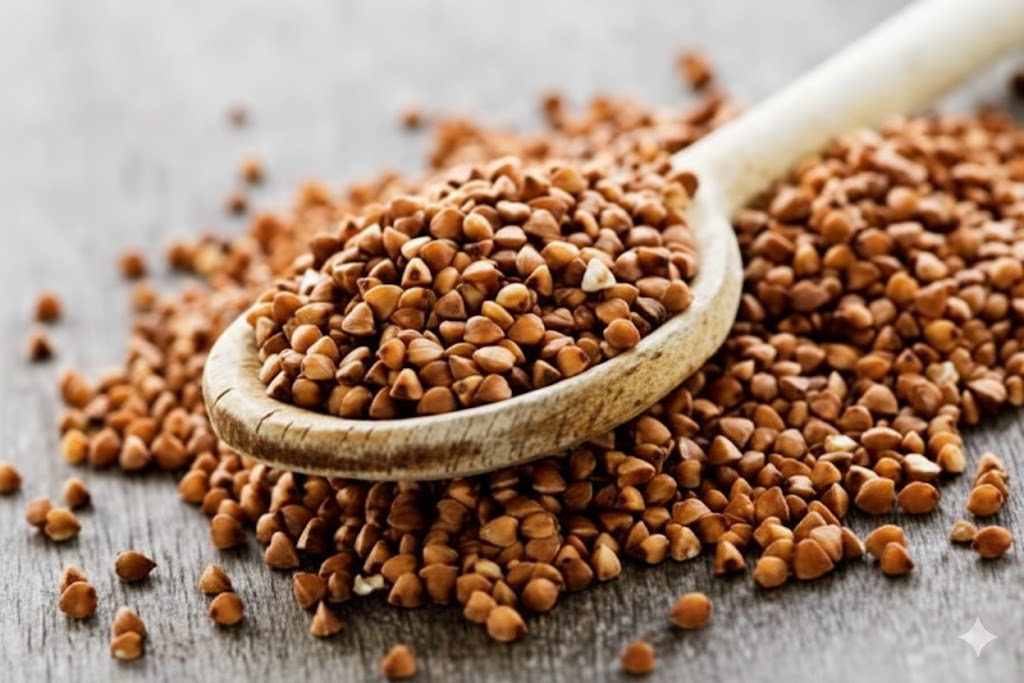
Kasha is a type of whole grain most commonly made from buckwheat groats even with its name buckwheat is not related to wheat and is naturally gluten free making kasha an excellent option for people with gluten sensitivities or those following a gluten free diet.
Traditionally kasha refers to roasted buckwheat which gives it a nutty flavor while buckwheat is the most common the term “kasha” can sometimes refer to other grains like oats, millet or barley in Eastern European cooking.
The History of Kasha
Kasha has been a basic food in Eastern Europe for centuries especially in Russia, Poland, Ukraine and Belarus. It was rated highly not only for its nutrition but also for its benefits. Historically it was considered a “ peasant food ” because it was cheap and easy to store.
Today kasha has gained global recognition for its health benefits and cookery versatility and in everything from traditional porridges to salad bowls.
Health Benefits of Kasha
Kasha is often called a “superfood ” for a reason and here are some of its top health benefits
1. Rich in Nutrients
Kasha is full of important nutrients such as;
- Protein: Supports muscle growth and repair
- Fiber: Promotes digestive health and keeps you full longer
- Magnesium: Supports heart health and bone strength
- Antioxidants: Helps fight inflammation and oxidative stress
2. Gluten Free and Heart Friendly
Since buckwheat is naturally gluten free kasha is safe for people with celiac disease or gluten sensitivity moreover its low glycemic index make it heart friendly and suitable for people managing blood sugar level.
3. Supports Weight Management
The combination of fiber and protein in kasha can help control appetite and reduce craving and making it an excellent choice for those looking to manage or lose their weight naturally.
Different Types of Kasha
Kasha comes in different types each with its own cooking time and uses. Knowing the differences help you pick the best one for your meal.
1. Whole Buckwheat Groats
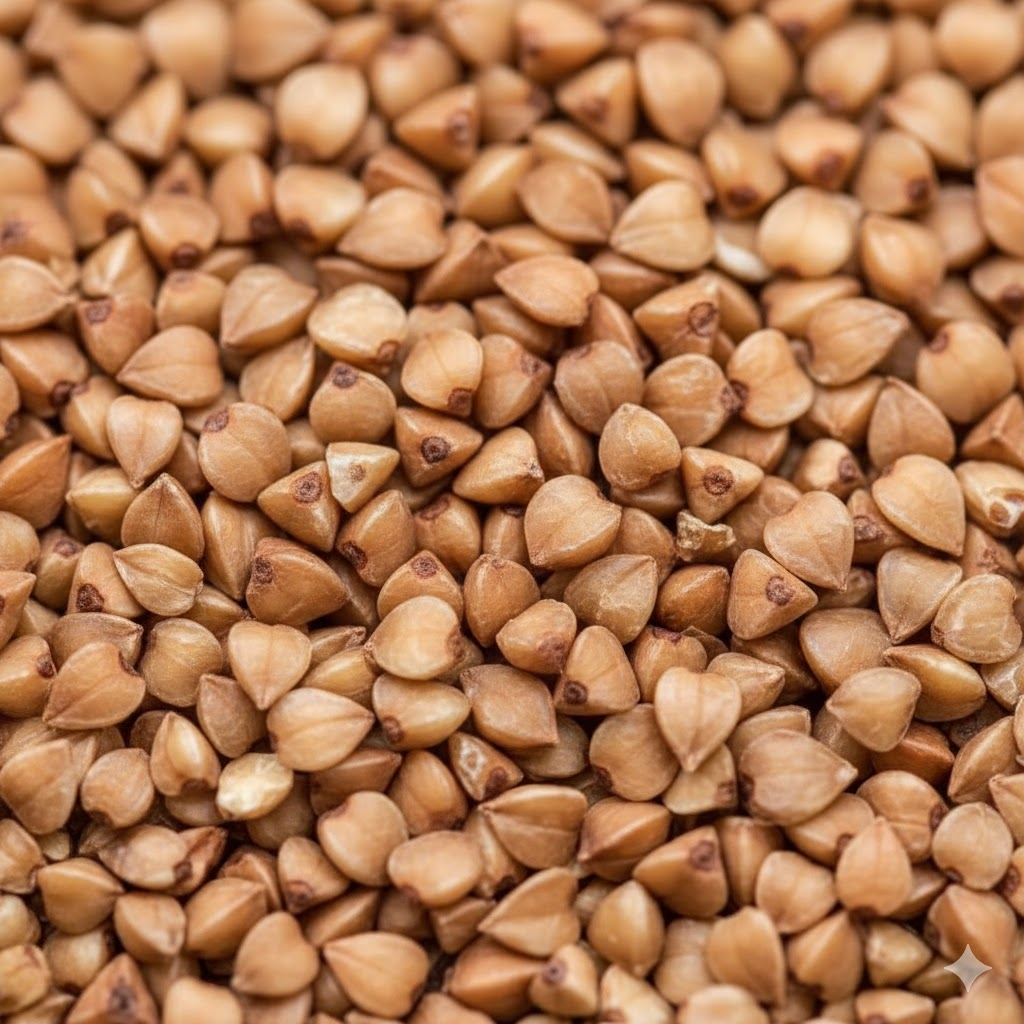
These are the least processed and often roasted for a nutty flavor. They take about 15–20 minutes to cook and stay hard making them perfect for side dishes, salads or pilafs.
2. Cracked Buckwheat
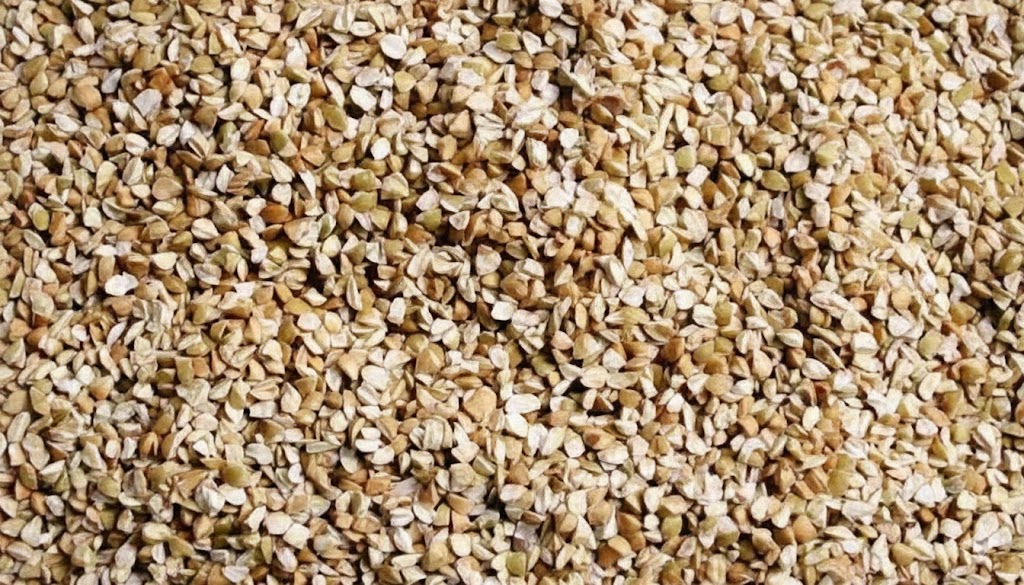
Cracked buckwheat is broken into smaller pieces so it cooks faster (10–15 minutes) and becomes softer and it is great for porridge, soups or stuffed vegetables because it mixes well with other ingredients.
3. Pre Cooked or Instant Kasha
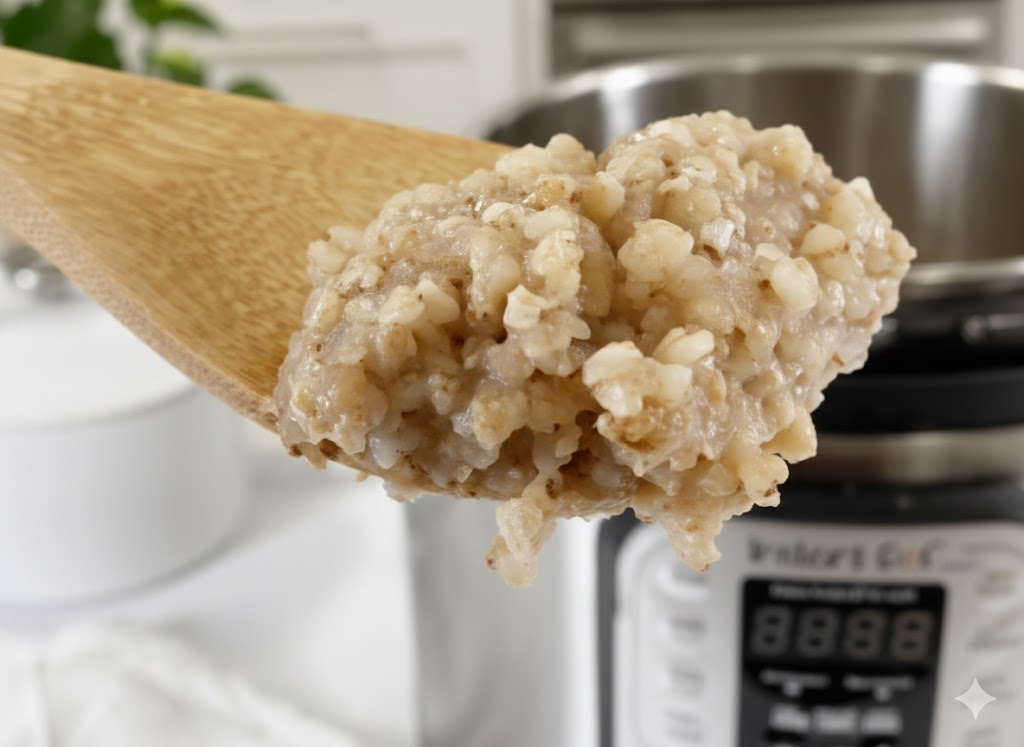
This type is half cooked so it is ready in 3–5 minutes. Convenient for quick breakfasts or fast side dishes though it is softer than whole or cracked groats.
How to Cook Kasha: A Beginner’s Guide
Cooking kasha is straightforward and does not require complicated ingredients here is a simple method:
Ingredients:
- 1 cup kasha (buckwheat groats)
- 2 cups water or broth
- 1 tablespoon butter or olive oil
- Salt to taste
Instructions:
- Rinse the Kasha: Wash the buckwheat under cold water to remove dust.
- Toast the Kasha (Optional): Heat a dry skillet and toast the groats for 3–5 minutes for a nutty flavor.
- Boil the Water/Broth: Bring 2 cups of water or broth to a boil.
- Cook the Kasha: Add the kasha reduce the heat and cover and simmer for 15–20 minutes until the liquid is absorbed.
- Fluff and Serve: Remove from heat add butter and fluff with a fork before serving.
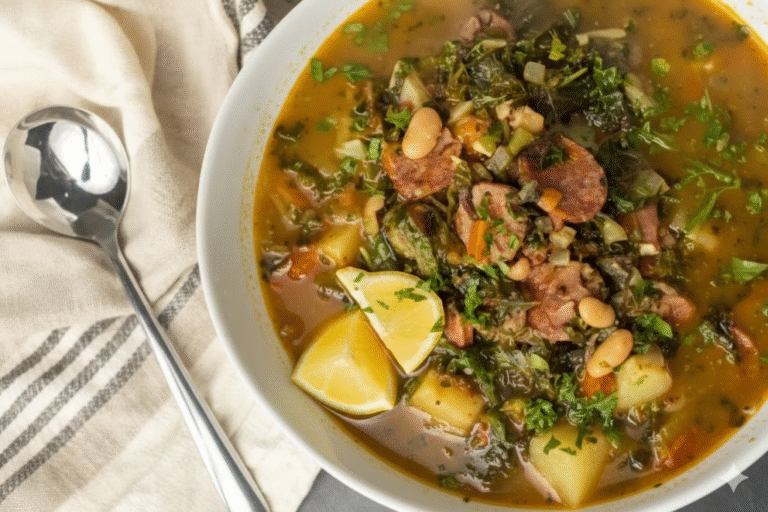
Tip: Kasha pairs beautifully with vegetables and meats or as a warm breakfast cereal with nuts and fruit.We can also Kasha use in Swamp Soup.
Delicious Ways to Enjoy Kasha
Kasha versatility makes it suitable for many dishes:
1. Breakfast Porridge
Cook kasha with milk or plant based milk and top with honey and nuts for a hearty breakfast.
2. Side Dish
Use kasha instead of rice or quinoa as a side for roasted meats or sautéed vegetables.
3. Kasha Salad
Combine cooked kasha with chopped veggies herbs and a light vinaigrette for a refreshing salad.
4. Stuffed Vegetables
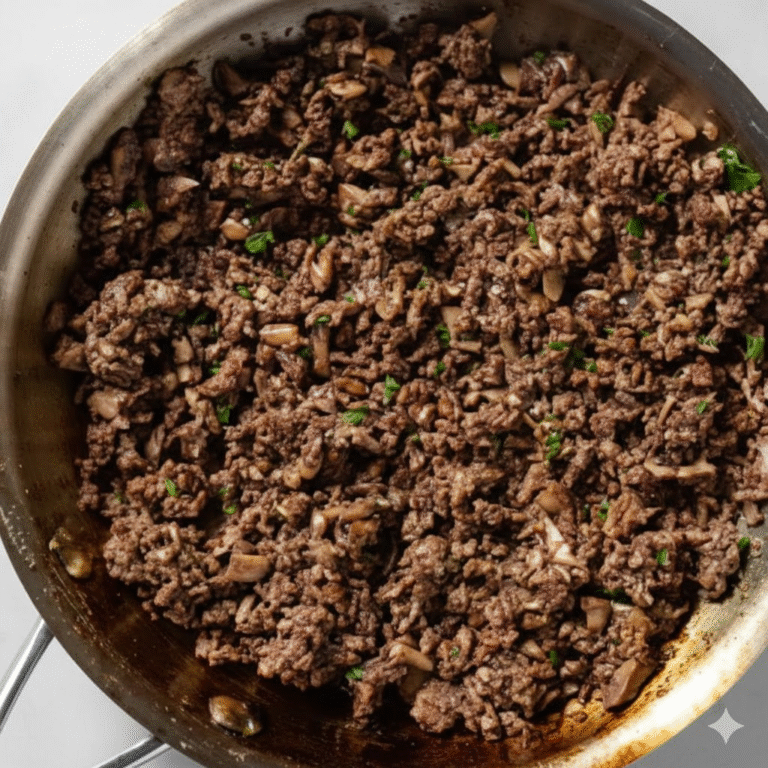
Mix kasha with mushrooms onions and spices to stuff bell peppers or zucchini.
Tips for Cooking Perfect Kasha Every Time
- Don’t Skip Toasting: Toasting enhances flavor and prevents a mushy texture.
- Use Broth for Extra Flavor: Cooking kasha in vegetable or chicken broth adds richness.
- Mind the Water Ratio: Too much water makes it soggy; too little makes it dry.
- Rest Before Serving: Letting kasha sit covered for 5 minutes off the heat improves texture.
Kasha vs Other Grains
Kasha is different from other common grains because:
| Grain | Gluten-Free | Protein | Fiber | Taste |
| Kasha | Yes | High | High | Nutty, earthy |
| Rice | Yes | Low | Low | Mild, soft |
| Quinoa | Yes | High | Medium | Earthy, nutty |
| Oats | Often* | Medium | Medium | Mild, creamy |
*Oats are naturally gluten free but may be spoil during processing.
Kasha is a nutritional powerhouse and a flavorful alternative to common grains making it ideal for health conscious eaters.
Where to Buy Kasha
Kasha is available in most grocery stores, health food stores and online. Look for whole or roasted buckwheat groats for the best flavor and nutrition. Organic options are also available if you prefer minimally processed foods.
Final Thoughts
Kasha is more than just an Eastern European staple, it is a nutritious, versatile and easy to cook superfood that fits perfectly into modern healthy lifestyles. Whether you are looking for a hearty breakfast a comforting side dish or a new way to boost your nutrition kasha is an excellent choice.
About the Author