Introduction:
You may have seen pamplemousse at the grocery store, on a breakfast table or mentioned in health and weight-loss discussions. Some people love it, some avoid it because of its bitter taste, and others are confused about whether it’s safe to eat daily.
So what exactly is pamplemousse, and is it really that good for you?
Pamplemousse is the French name for grapefruit, a juicy citrus fruit known for its fresh taste and impressive health benefits. It may not be as sweet as oranges, but it makes up for that with nutrients that support immunity, digestion, heart health and skin.
This guide is written especially for beginners. No complicated science, no confusing terms, just clear, honest and helpful information you can actually use.
What Is Pamplemousse?
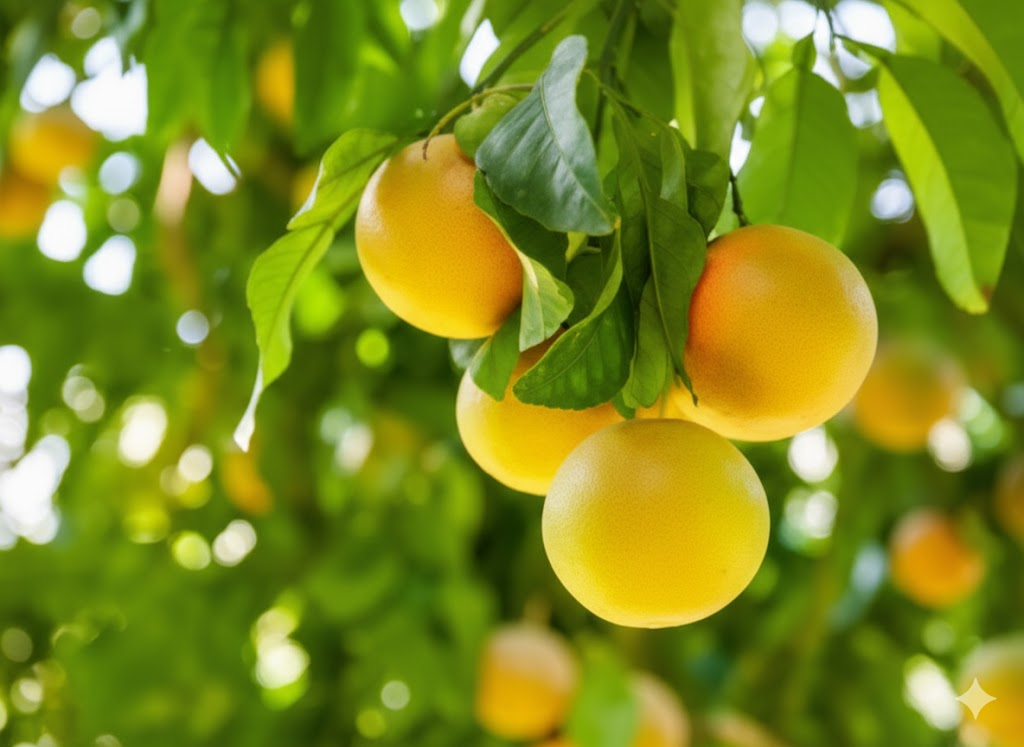
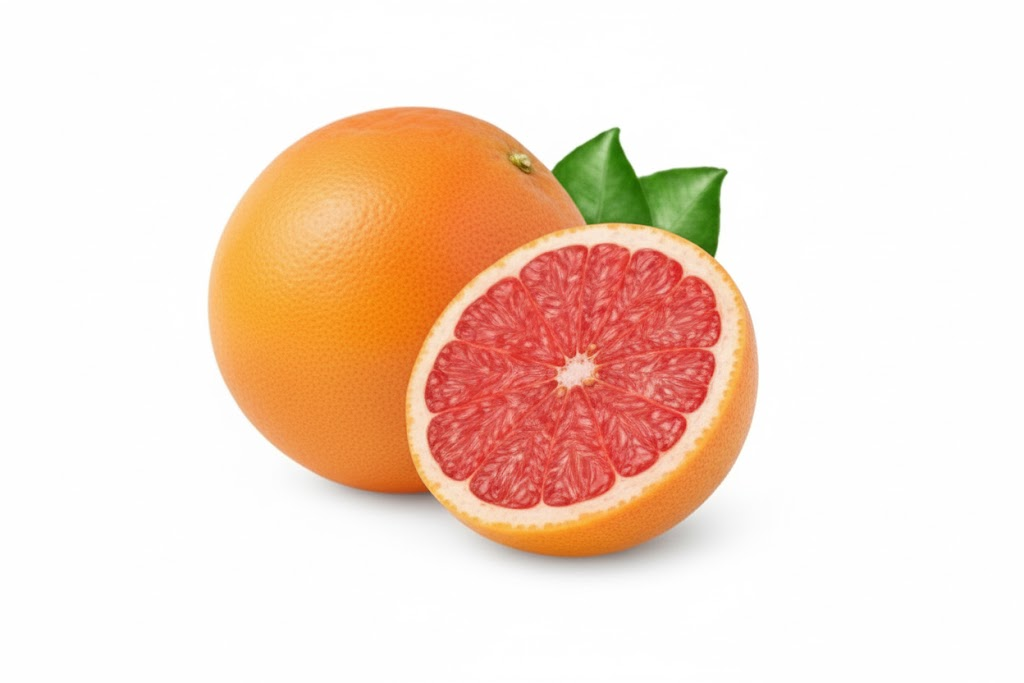
Pamplemousse, or grapefruit, is a large citrus fruit that grows on trees in warm climates. It is a natural mix between an orange and a pomelo. The fruit has thick skin, juicy flesh and a flavor that ranges from slightly sweet to pleasantly bitter.
Even though the English name is “grapefruit,” it doesn’t taste like grapes at all. The name comes from how the fruit grows in small clusters on trees.
What Does Pamplemousse Taste Like?
- Fresh and juicy
- Tangy and slightly sour
- Mild bitterness (depends on the variety)
If you don’t like bitter foods, don’t worry some types of grapefruit are surprisingly sweet.
Different Types of Pamplemousse
Not all grapefruits are the same. Knowing the types can help you choose one you’ll actually enjoy.
White Grapefruit
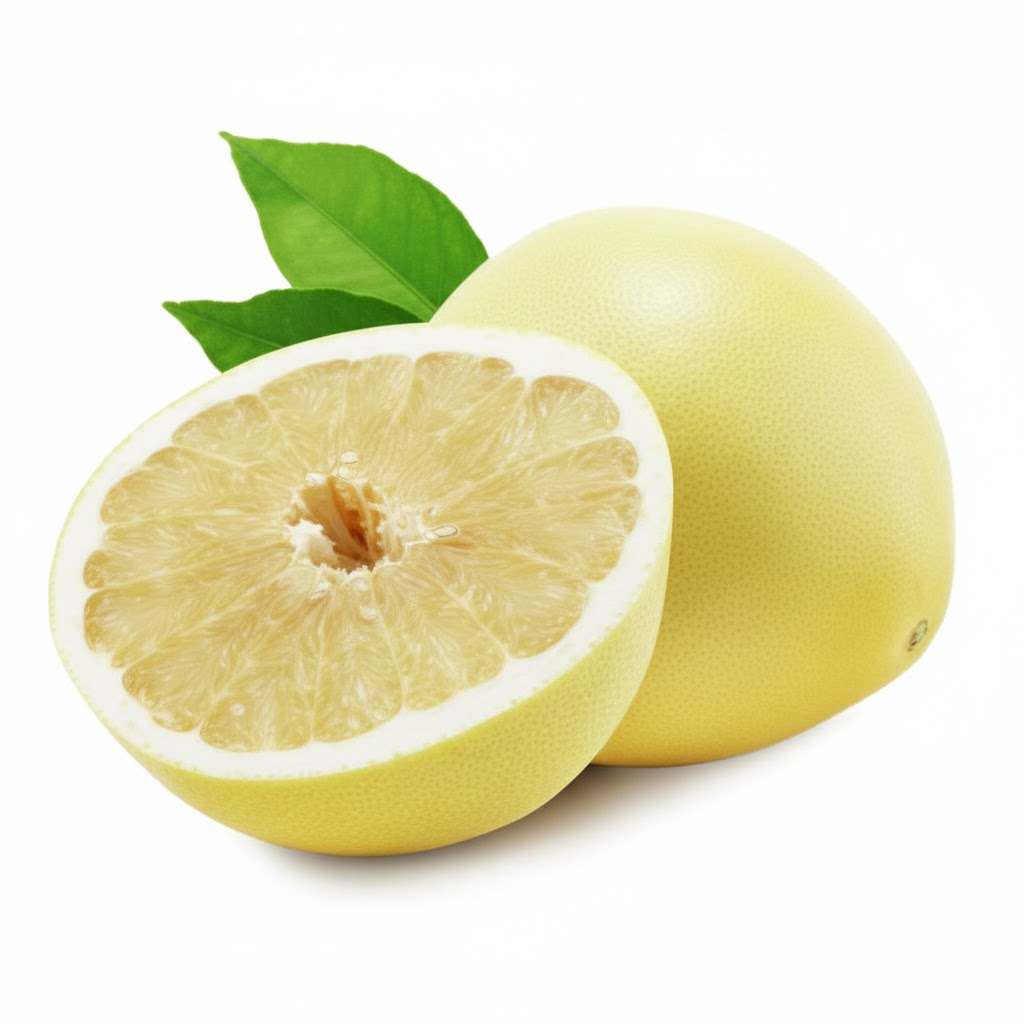
- Pale yellow inside
- More bitter taste
- Often used for juice
Pink Grapefruit
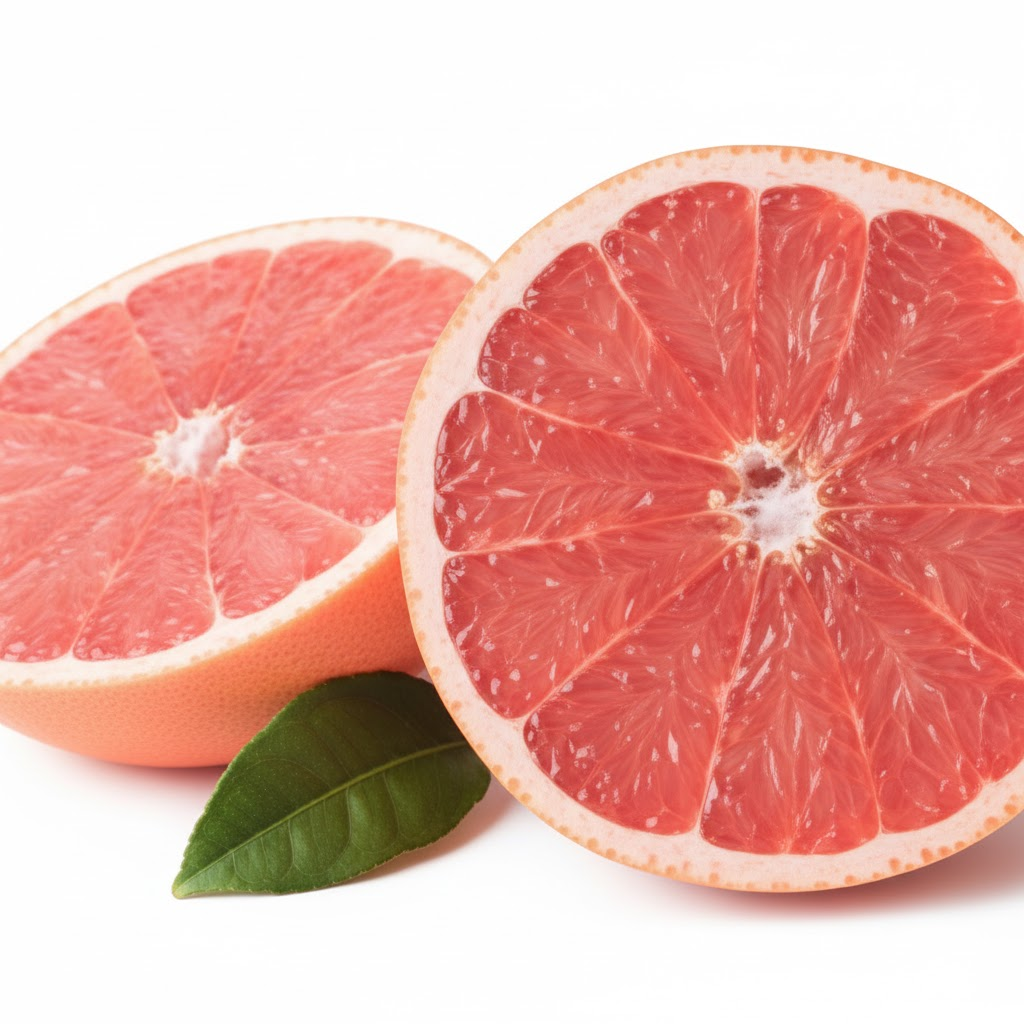
- Light pink flesh
- Balanced sweet and sour flavor
- Good for eating fresh
Red Grapefruit (Ruby Red)
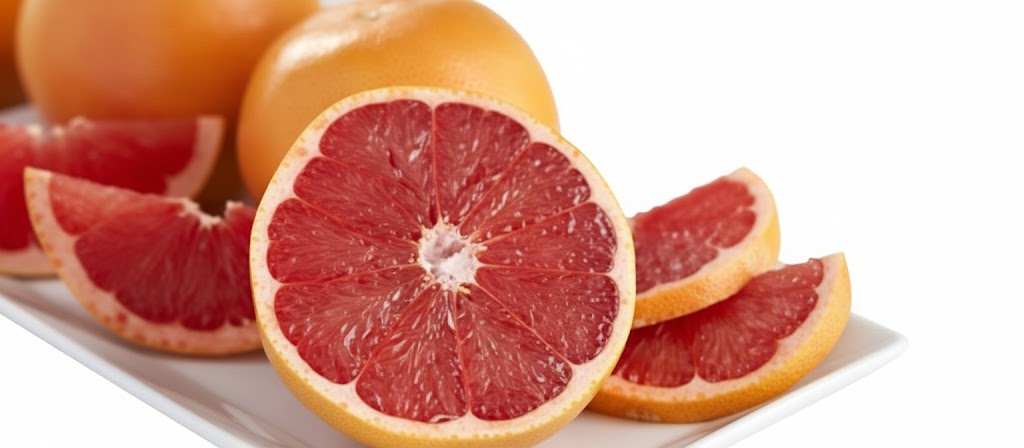
- Deep red flesh
- Sweetest and least bitter
- Very popular and beginner-friendly
Beginner Tip: Start with red or pink grapefruit if you’re new to pamplemousse.
Nutritional Value of Pamplemousse
Pamplemousse is low in calories but high in nutrients. That’s why it’s often recommended for healthy eating.
Nutrition Per 100g (Approximate)
- Calories: 40–45
- Vitamin C: High
- Fiber: Moderate
- Potassium: Good amount
- Vitamin A: Supports eyes and skin
It also contains antioxidants that protect your body from damage caused by stress and pollution.
Health Benefits of Pamplemousse
1. Strengthens the Immune System
Grapefruit is rich in vitamin C, which helps your body fight infections and recover faster when you’re sick. Eating it regularly may help reduce the chances of catching common colds.
2. Helps with Weight Management
Pamplemousse is mostly water, which means:
- It fills you up
- It’s low in calories
- It helps control hunger
While it doesn’t magically burn fat it can support healthy eating habits when included in a balanced diet.
3. Supports Heart Health
Grapefruit contains fiber and antioxidants that may help:
- Lower bad cholesterol
- Improve blood circulation
- Support healthy blood pressure
This makes it a heart-friendly fruit when eaten in moderation.
4. Improves Digestion
The fiber in pamplemousse supports digestion and helps prevent constipation. The natural acids also help your stomach break down food more easily.
5. Improves Skin Health
Thanks to vitamin C and antioxidants, grapefruit can:
- Support collagen production
- Improve skin brightness
- Reduce early signs of aging
Hydrated skin often starts from what you eat and grapefruit helps with hydration too.
Pamplemousse and Medication: Very Important to Know
This is one of the most important sections for beginners.
Why Can Grapefruit Be a Problem?
Grapefruit can change how certain medications are processed in your body. This may cause the medicine to become too strong or not work properly.
Medications That May Interact
- Cholesterol medications
- Blood pressure drugs
- Anxiety or sleep medicines
Important: If you take daily medication always ask your doctor before eating grapefruit regularly.
Easy and Tasty Ways to Eat Pamplemousse
If you think grapefruit is boring or too bitter, try these beginner-friendly ideas.
1. Eat It Fresh
- Cut it in half
- Sprinkle a little honey or sugar
- Scoop with a spoon
2. Make Fresh Juice
- Mix grapefruit with orange or pineapple
- Drink immediately for best nutrition
3. Add to Salads
- Combine with leafy greens
- Add avocado, nuts, or cheese
4. Blend into Smoothies
- Mix with banana and yogurt
- Add berries to balance the taste
5. Lightly Cook or Grill
- Grill slices with cinnamon
- Makes a warm and healthy dessert
How to Choose a Good Grapefruit
When shopping for pamplemousse, look for:
- Heavy fruit (means more juice)
- Smooth and firm skin
- Bright color
Avoid fruits with soft spots or wrinkles.
How to Store Pamplemousse Properly
- Keep at room temperature for a few days
- Store in the refrigerator to last up to two weeks
- Cut grapefruit should be covered and refrigerated
Pamplemousse in Popular Diets
Weight Loss Diets
Grapefruit is helpful because it’s filling and low in calories, but it should not replace meals.
Diabetic Diets
It has a low glycemic index, meaning it doesn’t raise blood sugar quickly. Portion control is still important.
Fitness and Active Lifestyle
It helps with hydration and provides vitamins that support recovery.
Common Myths About Pamplemousse
“Grapefruit Burns Fat”
No food burns fat by itself. Grapefruit supports healthy habits, not miracles.
“All Grapefruit Is Bitter”
Not true. Red varieties are naturally sweeter.
“You Can Eat Unlimited Amounts”
Too much can upset your stomach or interact with medications.
Who Should Be Careful with Pamplemousse?
- People taking certain medications
- Those with acid reflux
- People with citrus allergies
If unsure, small portions are the safest way to start.
Final Thoughts:
Pamplemousse is simple, natural, and full of benefits. It may not be the sweetest fruit but it offers something even better real nutrition that supports your body.
If you eat it the right way and in the right amount, grapefruit can easily become part of a healthy and enjoyable routine. read more
About the Author