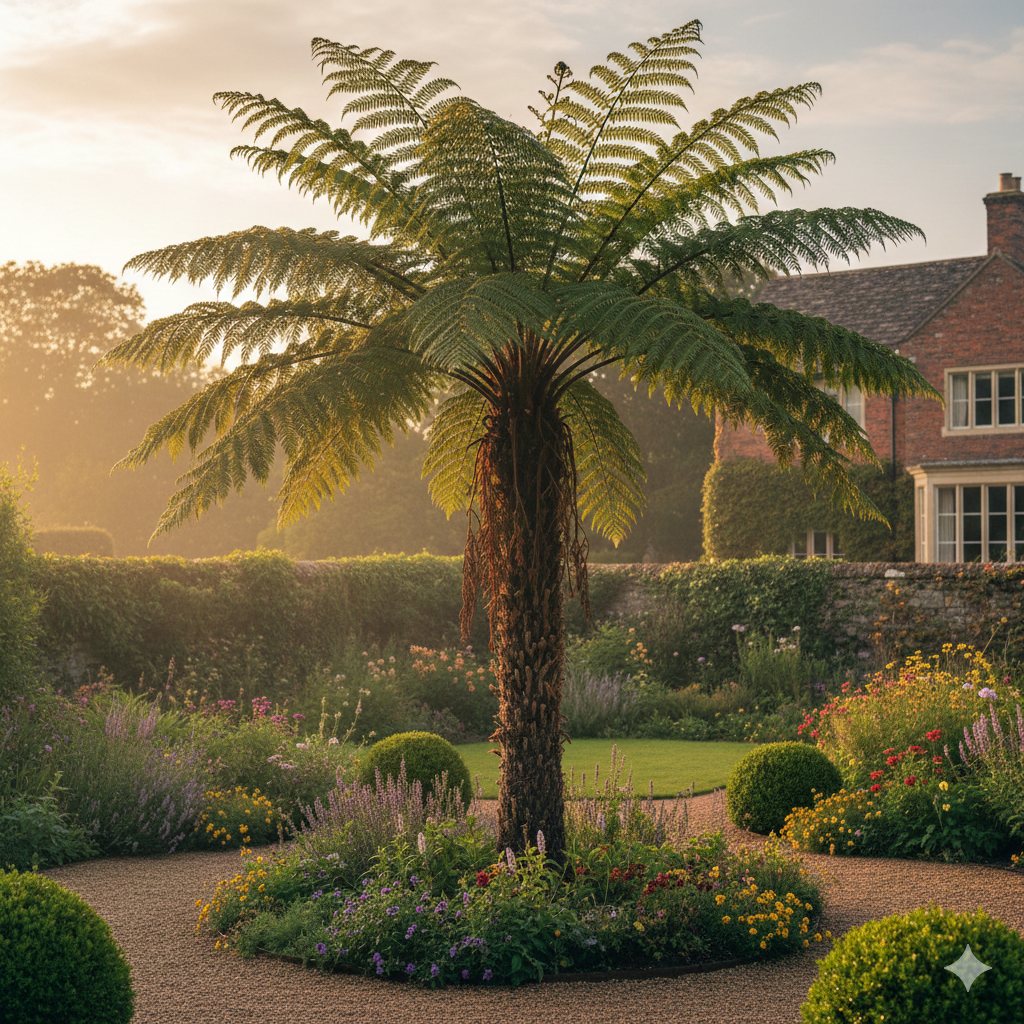
Tree ferns are beautiful, unusual plants that can make any garden look magical. With their tall trunks and big, soft fronds, they look like they came straight from a prehistoric forest. Even though they appear exotic, they are actually easy to grow if you understand their basic needs.
This guide explains everything in simple words—what tree ferns are, where they grow, their different species, uses, planting steps, and how to care for them.
What Is a Tree Fern?
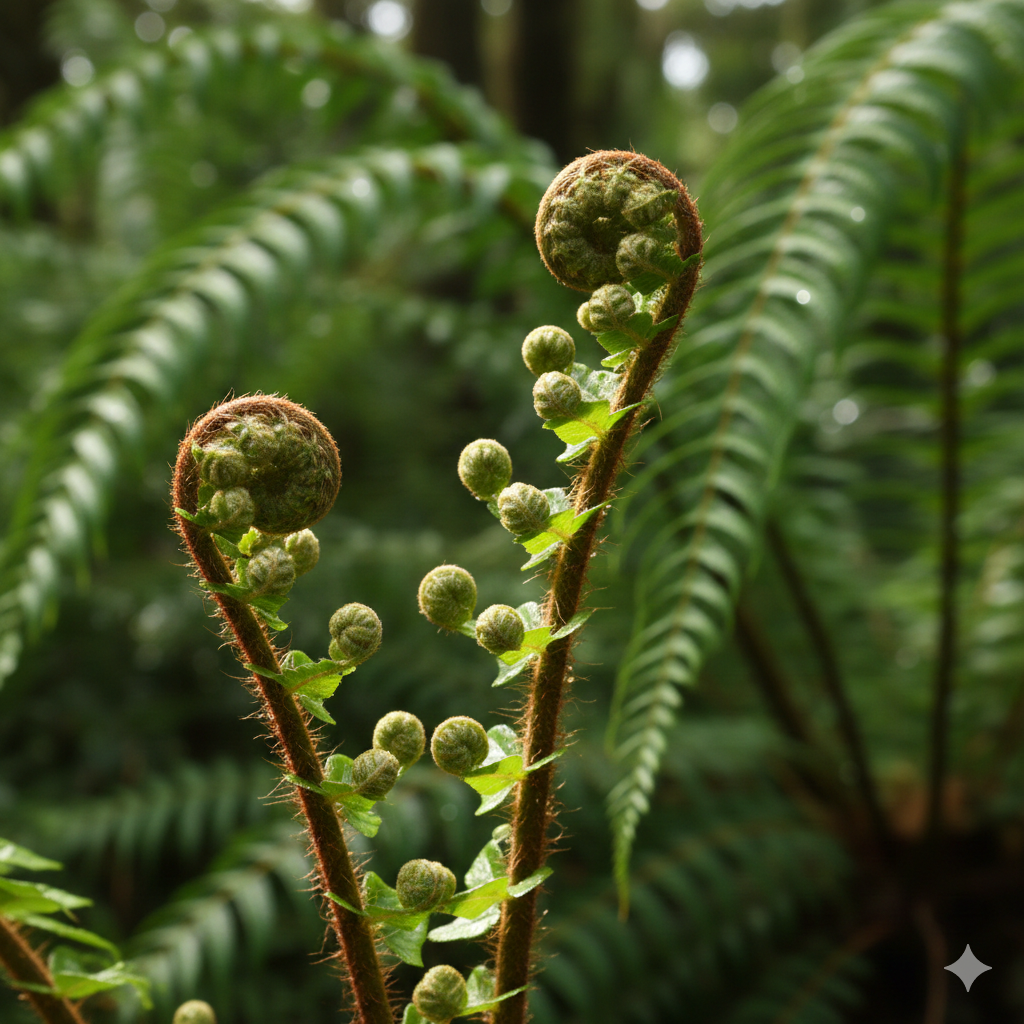
A tree fern is a type of fern that grows tall and looks a bit like a small tree. It has a trunk, but the trunk is not made of wood. Instead, it is made of old roots and the bases of old fronds.
Tree ferns belong mainly to two plant families:
- Dicksoniaceae
- Cyatheaceae
They are ancient plants that have been around for millions of years, long before flowering plants appeared.
Where Do Tree Ferns Grow? (Range)
Tree ferns naturally grow in places that are cool, moist, and shady. Their natural range includes:
- Australia
- New Zealand
- Southeast Asia
- South and Central America
- Parts of Africa
- Pacific Islands
In the wild, they are usually found in:
- Rainforests
- Mountains
- Shady, damp valleys
- Cloud forests
Some species like warm, humid climates, while others can survive in cooler areas.
Why Tree Ferns Are Good for Beginners
Tree ferns are great for new gardeners because:
- They don’t need a lot of pruning
- They grow slowly
- They love shade where many other plants won’t grow
- They look dramatic even when planted alone
- They are hardy when watered correctly
If you can keep the trunk and soil moist, you can grow a tree fern.
Popular Species of Tree Ferns
Here are some common types beginners can grow:
1. Dicksonia antarctica (Soft Tree Fern)
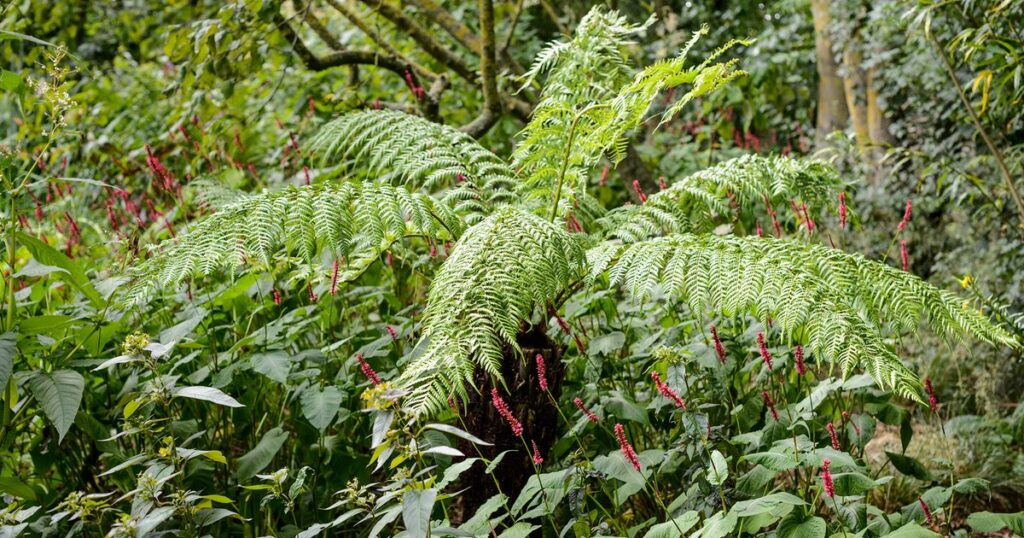
- Easiest species for beginners
- Handles cool weather well
- Thick, fuzzy trunk with soft green fronds
2. Cyathea cooperi (Australian Tree Fern)
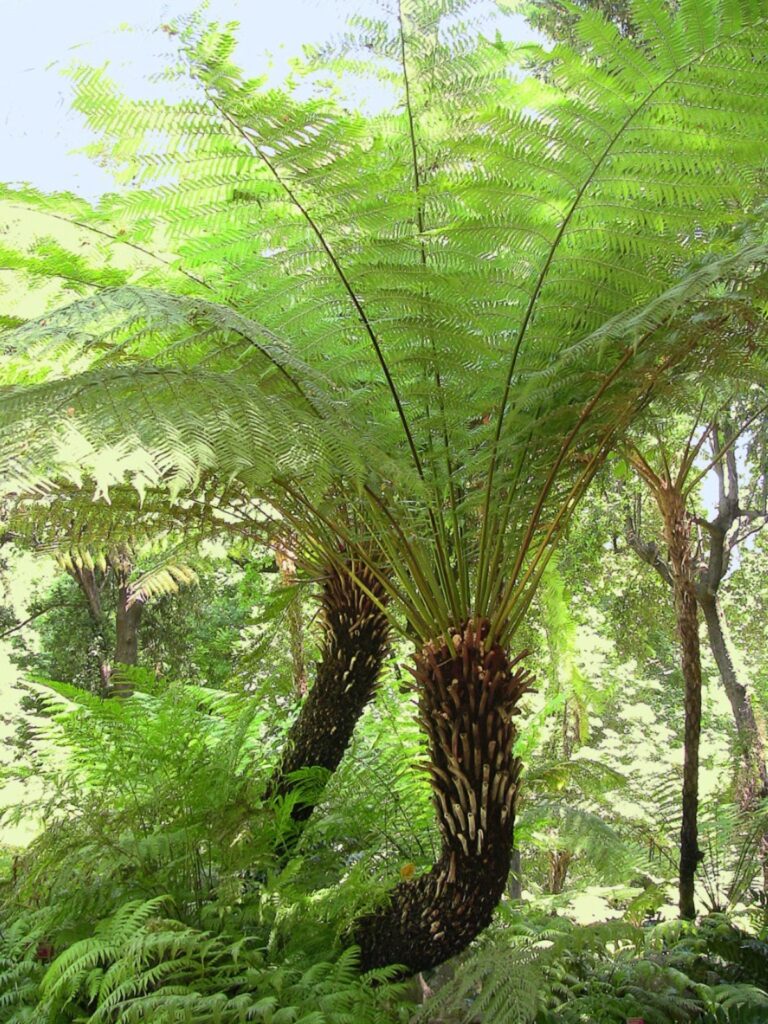
- Fast-growing
- Likes warm climates
- Light, lacy fronds and a slimmer trunk
3. Cyathea medullaris (Black Tree Fern)
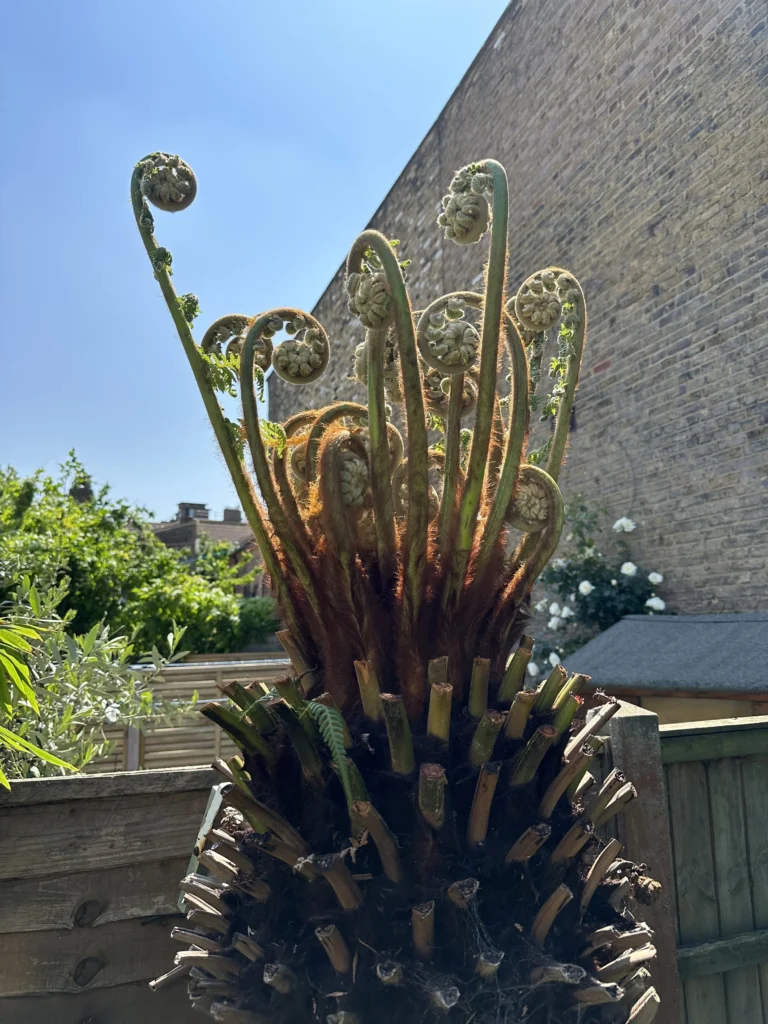
- Black trunk and large fronds
- Needs warmth and moisture
- Very dramatic and eye-catching
4. Dicksonia squarrosa (New Zealand Tree Fern)
- Slender trunk
- Can grow multiple trunks from the base
- Great for forest-style gardens
5. Cyathea brownii
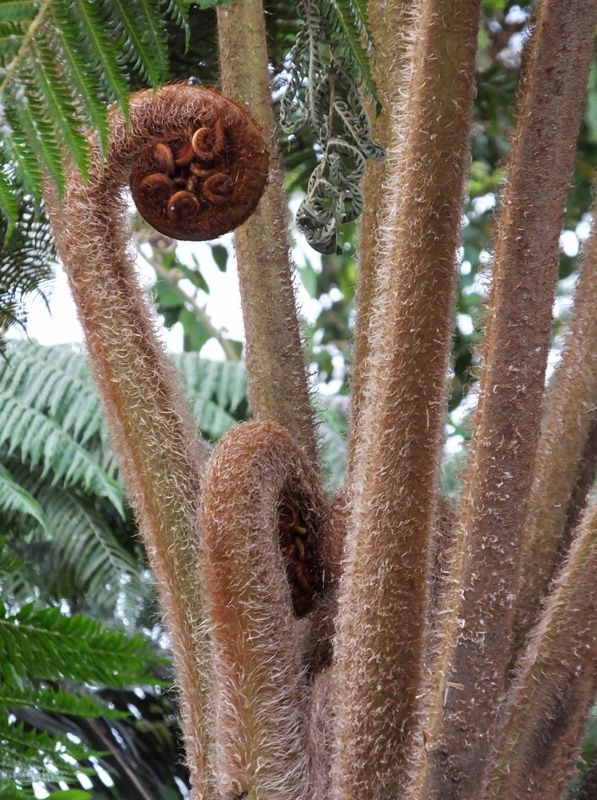
- One of the tallest species
- Grows quickly in tropical areas
Uses of Tree Ferns
Tree ferns are useful for many reasons:
1. Garden Landscaping
People use tree ferns to:
- Create tropical or rainforest-style gardens
- Add height and green texture
- Decorate shady corners
- Bring life to pond or water feature edges
They create an instantly lush look.
2. Indoor Decoration
Small tree ferns can be grown in pots indoors if the air is kept humid.
3. Environmental Benefits
In nature, tree ferns:
- Provide shelter for insects and small animals
- Help keep forest soil moist
- Support other plants that like shade
4. Horticultural Material
In some places, the fiber from tree ferns is used to mount orchids or grow seedlings
(only when harvested sustainably).
Where Tree Ferns Grow Best in Gardens
Tree ferns do well in places that copy their natural environment.
Best Climate
They like:
- Mild to warm temperatures
- Moist air
- Protection from harsh cold
- Protection from strong winds
Best Light
Tree ferns grow best in:
- Light shade
- Dappled sunlight (like under tall trees)
Direct sunlight can burn their fronds.
Best Soil
Tree ferns love soil that is:
- Rich and full of organic matter
- Moist but drains well
- Slightly acidic
Mix compost, fine bark, and peat-free potting mix for best results.
How to Plant a Tree Fern (Very Simple Steps)
1. Choose a Shady Spot
Avoid areas with direct sunlight or strong wind.
2. Prepare the Soil
Mix compost into the soil to make it rich and able to hold moisture.
3. Set the Tree Fern in Place
Place the trunk in the hole so it stands straight.
Do not bury the crown (the top where fronds grow).
4. Water It Well
This is very important—tree ferns drink through the trunk, not just the roots.
Soak the trunk and the soil thoroughly.
5. Add Mulch
Put mulch around the base to keep the soil moist.
Simple Care Tips for Tree Ferns
1. Watering
Tree ferns love water more than almost any other garden plant.
- Keep the trunk wet
- Keep the soil moist
- Water daily in hot weather
- Mist the fronds to increase humidity
2. Feeding
Use a weak liquid fertilizer once every 4–6 weeks during the growing season.
Do not pour fertilizer directly into the crown.
3. Pruning
Cut off old brown fronds at the base to keep the plant tidy.
4. Winter Care
If you live in a cold area:
- Wrap the trunk with fleece or hessian
- Cover the crown with straw or leaves
- Move potted tree ferns to a sheltered place
Common Mistakes Beginners Make
Avoid these mistakes:
- Letting the trunk dry out
- Planting in full sun
- Watering only the soil and not the trunk
- Giving too much fertilizer
- Exposing the fern to strong wind
Can You Grow a Tree Fern Indoors?
Yes, but it is a bit harder. Indoor tree ferns need:
- Bright but indirect light
- High humidity
- Frequent misting
- A large pot with rich soil
If your home is dry, use a humidifier or place the pot on a tray of water and pebbles.
Why Tree Ferns Are Worth Adding to Your Garden
Tree ferns add:
- Height
- Soft green texture
- Tropical beauty
- Movement when the wind blows
- A peaceful, forest-like feel
Even one tree fern can completely change the look of a space.
Final Thoughts
Tree ferns may look exotic, but they are actually simple to grow when you understand their needs. With regular watering, shade, and gentle care, they can live for many years and make your garden feel like a lush, green paradise.
Want Help Choosing the Best Tree Fern for Your Garden?
Tell me your climate or location, and I’ll recommend the perfect species and give you a simple care plan to get started! read more
About the Author