Fishing is both an art and a science. While many factors affect your success like weather, water temperature, and bait one of the most crucial elements is the tide. Understanding how tides work can dramatically increase your chances of landing a good catch. If you’re new to fishing, this guide will help you grasp the essentials of tides, how to use them, and practical tips to improve your fishing game.
What Are Tides?

Tides are the regular rise and fall of sea levels caused primarily by the gravitational pull of the moon and the sun on Earth’s oceans. Most coastlines experience two high tides and two low tides every 24 hours, although the exact pattern can vary depending on location.
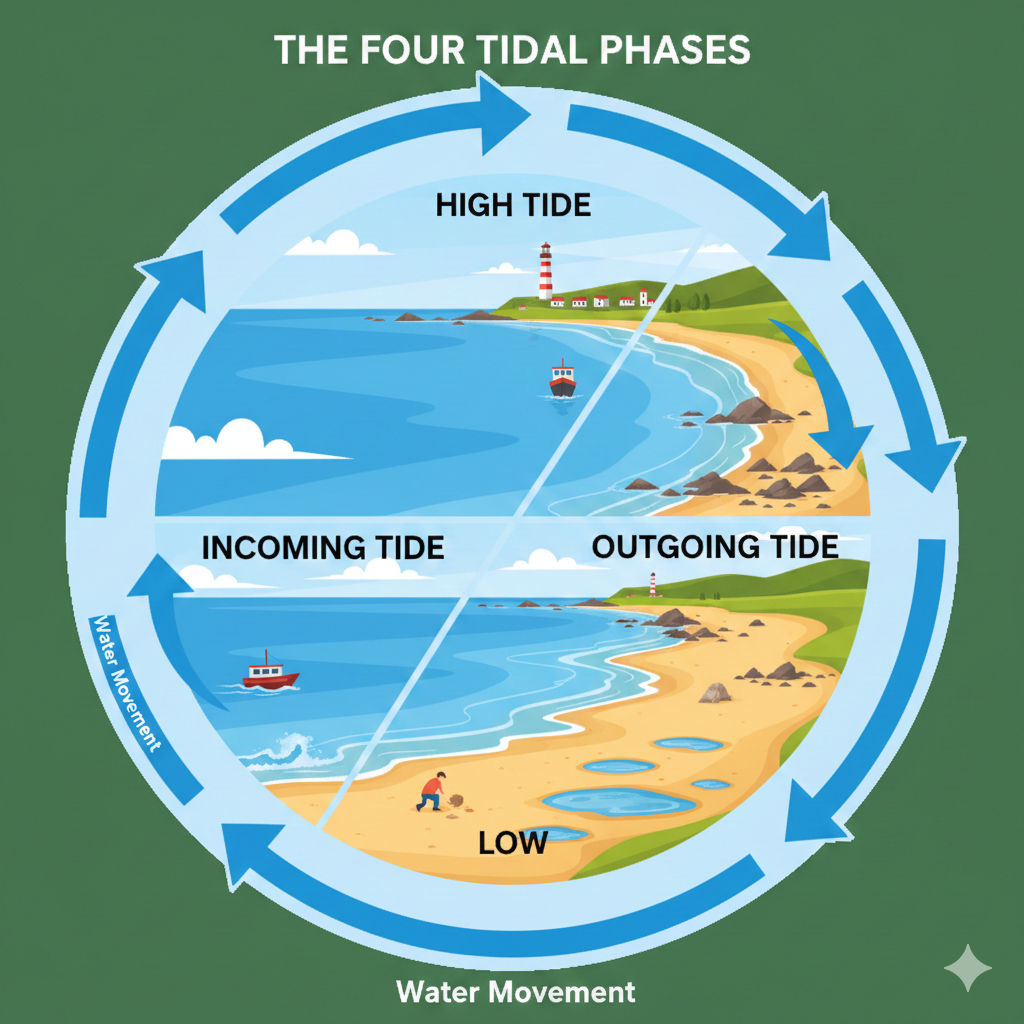
There are four key tidal phases every day:
- High Tide – The water reaches its highest point.
- Low Tide – The water level drops to its lowest point.
- Incoming (Flood) Tide – Water level is rising toward high tide.
- Outgoing (Ebb) Tide – Water level is falling toward low tide.
Each phase influences fish behavior in different ways.
Why Tides Matter for Fishing
Fish are highly responsive to tides. The movement of water affects their feeding habits, the distribution of prey, and their overall activity. Understanding tides helps you predict where fish will be and when they’ll be most active. Here’s why tides are so important for anglers:
- Water Movement: Tides create currents that stir up nutrients and attract baitfish. Predatory fish follow these currents.
- Feeding Patterns: Fish often feed more aggressively during certain tidal phases, especially when water is moving.
- Access to Fishing Spots: High tides allow access to areas like sandbars or shallow flats, while low tides expose fishing grounds for wading or casting from shore.
Best Tides for Fishing
While fish behavior varies by species and location, certain tidal conditions are generally better for fishing.
1. Incoming Tide (Flood Tide)
Many anglers consider the incoming tide the best time to fish. As water rises, it brings nutrients and small creatures into the shallows, attracting larger fish. This is especially true near structures like piers, jetties, and estuaries.
2. Outgoing Tide (Ebb Tide)
The outgoing tide can also be productive, particularly in areas where water flows out from estuaries or tidal pools. Fish often position themselves at choke points to ambush prey carried by the current.
3. High Tide
High tide can be ideal for fishing near shorelines and shallow areas. Fish take advantage of the flooded zones to hunt for food. However, fishing during the peak of high tide might require more stealth, as fish can be more dispersed.
4. Low Tide
Low tide exposes feeding grounds and makes it easier to spot fish in shallow water. While fish may be concentrated in deeper pockets, low tide is excellent for sight fishing in tidal pools or flats.
How to Read a Tide Chart
To make the most of tides, you’ll need a tide chart. Tide charts provide the timing and height of high and low tides for your location. Here’s how to use them:
- Locate Your Fishing Spot: Find a chart specific to your coastal area.
- Note High and Low Tides: Mark the times of the day when high and low tides occur.
- Plan Around Peak Feeding Times: Fish are usually most active a few hours before and after high or low tide.
- Consider Moon Phases: Spring tides (during full or new moons) produce higher highs and lower lows, which can lead to excellent fishing conditions. Neap tides (during quarter moons) are less dramatic and can mean slower fishing.
Tips for Fishing Based on Tides
1. Focus on Structure
Fish love structure—areas like rocks, reefs, submerged logs, and docks. Tides move baitfish into these areas, creating feeding opportunities.
2. Adjust Your Casting Distance
During high tide, fish may be closer to shore, so shorter casts work. During low tide, you might need to cast farther to reach deeper pockets.
3. Time Your Fishing Trips
Aim to fish 1-2 hours before and after high tide or low tide. These “windows” often produce the most bites.
4. Observe Local Patterns
Every fishing location is unique. Keep notes on how fish respond to tides in your area. Over time, you’ll learn the specific timing that works best.
5. Use the Right Bait
Fish are more likely to chase moving bait during tidal flows. Live bait like shrimp, minnows, or worms works well. Lures that mimic the movement of prey can also be effective.
Common Mistakes Beginners Make
- Ignoring Tides: Many beginners fish randomly without considering tidal phases. This often results in wasted trips.
- Fishing Only During High Tide: While high tide can be productive, missing the ebb and flood phases can mean missing more active feeding periods.
- Not Tracking Local Conditions: Water temperature, moon phase, and recent weather also affect fish activity. Tides are only one piece of the puzzle.
Tools and Apps to Track Tides
Modern technology makes tracking tides easy. Some popular options include:
- Tide Charts (Printable/Online): NOAA Tide Charts or local government resources.
- Fishing Apps: Many apps provide real-time tidal data, moon phases, and fishing forecasts. Examples include Fishbrain, Tides Planner, and My Tide Times.
- Smart Watches and Devices: Some GPS-enabled devices track tides and water temperature for popular fishing spots.
Conclusion
Understanding tides is a game-changer for any angler. By paying attention to tidal phases, planning your trips around feeding windows, and learning the local patterns of your favorite fishing spots, you’ll significantly increase your chances of catching more fish. Remember: it’s not just about luck it’s about knowing when and where to fish.
Ready to Catch More Fish?
Start tracking your local tides today and plan your next fishing trip around the best tidal conditions. With the right timing and a little practice, you’ll be landing more fish than ever before! read more
About the Author