
Introduction
Yes Axurbain is changing the way cities are planned and lived in. By 2025, more than 68% of people worldwide will live in urban areas, putting huge pressure on housing, transport, and sustainability. Traditional planning models are falling behind, and this is where innovative tools like Axurbain step in.
Most articles online touch on the topic but don’t tell the full story. Some focus on features but miss real-world impact. Others highlight design but ignore practical steps, while many overlook challenges such as policy and resource planning. This article fills those gaps with clear examples, practical strategies, and data-backed insights showing how this innovation is already shaping transport, housing, sustainability, and community development in cities you know.
To see its true potential, let’s start with the basics what it is, where it came from, and why it matters for the future of urban planning.
What Is Axurbain and Why It Matters
Axurbain is a new step forward in smart city planning, designed to help cities grow in a way that is both efficient and people-centered. Instead of relying only on static maps or slow reports, it uses geospatial analytics and real-time data to give planners a clearer view of how cities actually work. This means decisions about housing, transport, or public spaces can be based on real patterns rather than guesswork.
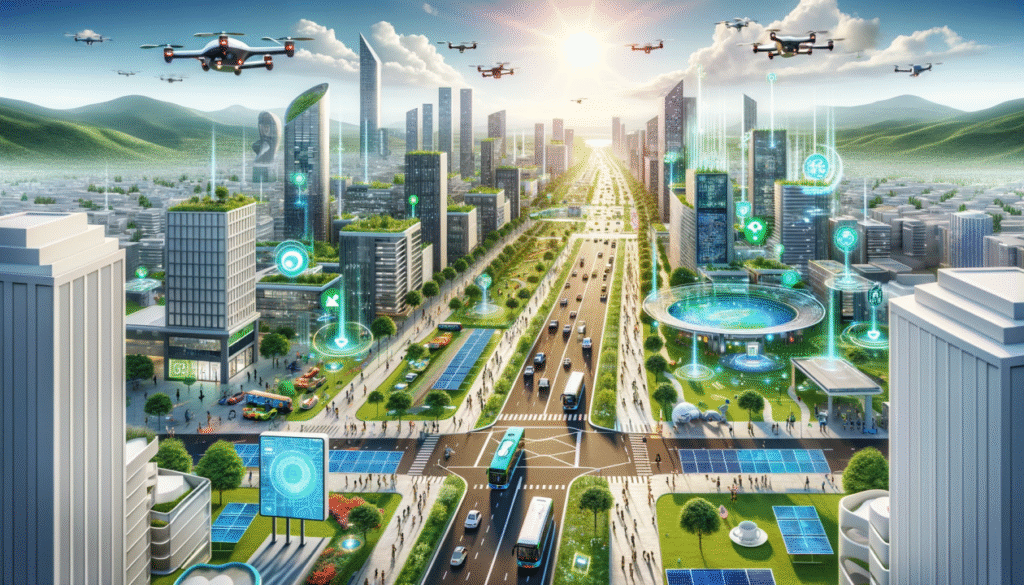
The importance of this tool comes from the challenges modern cities face. With more people moving into urban areas, leaders need better solutions for sustainable urban development. Traditional planning models often miss the bigger picture, such as how a new road might affect traffic or how building projects impact green spaces. Axurbain helps close these gaps by offering simulations and visual tools that show outcomes before they happen.
By focusing on urban planning innovation, Axurbain also supports communities and governments in making smarter choices. It allows for data-driven urban governance, where decisions are transparent, evidence-based, and easier to explain to the public. In short, it matters because it connects technology with human needs building cities that are not only functional but also sustainable for future generations.
The Evolution of Urban Planning Towards Axurbain
The evolution of urban planning has moved through several important stages, shaped by the needs of each era. Early city planning focused mainly on physical layouts roads, buildings, and open spaces. While effective for small populations, this traditional method was limited. It relied on slow surveys and reports, a static vs data-driven planning approach that could not keep up with the fast pace of modern cities.
Today’s modern city challenges such as rising populations, traffic congestion, housing shortages, and climate risks demand smarter solutions. Planners now recognise that technology is not just an add-on but a necessity. This shift has led to the rise of Axurbain, a platform built to handle the complexity of urban life with real-time insights.
Key drivers in this evolution include:
- AI in urban planning: predicting traffic, energy use, and population growth.
- Geospatial tools: offering live maps and interactive models.
- Urban infrastructure resilience: ensuring cities can adapt to climate change and rapid growth.
This journey demonstrates why Axurbain is not just another tool, but the next step in planning transforming outdated methods into a system built for today’s realities and tomorrow’s demands.
Core Features and Principles of Axurbain
The strength of Axurbain lies in its ability to combine technology with practical urban solutions. At its core, it brings together powerful Axurbain features that help planners, policymakers, and communities make informed decisions. These are not just tools but guiding principles for smarter, more sustainable cities.
Spatial Intelligence Tools
Axurbain makes use of advanced spatial intelligence tools that analyze geographic and environmental data. This helps urban planners understand housing patterns, mobility trends, and land use, ensuring better decisions for long-term growth.
Advanced Data Integration
By using advanced data integration, Axurbain connects traffic systems, public services, energy grids, and environmental databases into one platform. This holistic view reduces gaps and supports data-driven governance.
Real-Time City Data Visualisation
Instead of relying on outdated reports, Axurbain uses real-time city data visualisation. Planners can monitor traffic, energy usage, and pollution instantly—helping cities respond quickly to emerging challenges.
Predictive Modelling for Cities
With predictive modelling for cities, decision-makers can simulate “what if” scenarios. For example, they can test the effects of adding a new metro line or green park before making costly investments.
Sustainability and Green Infrastructure
Sustainability is at the heart of Axurbain’s design. From renewable energy to sustainability & green infrastructure, the platform encourages cities to grow without harming the environment, integrating eco-friendly policies into everyday planning.
Collaborative Planning Software
Urban planning is not just for governments—it involves communities and stakeholders. Axurbain’s collaborative planning software enables multiple groups to share insights, align objectives, and work together on long-term solutions.
Key Features at a Glance
- Spatial intelligence tools for deeper insights
- Advanced data integration across city systems
- Real-time city data visualisation
- Predictive modelling for future scenarios
- Sustainability & green infrastructure focus
- Collaborative planning software for stakeholders
The Role of Technology in Driving Axurbain
Modern cities cannot rely on old methods alone—technology in urban planning is what makes Axurbain possible. By combining intelligence with real-time data, it creates solutions that respond to the complexity of today’s urban life.
Smart Urbanism Tools
Axurbain relies on smart urbanism tools that connect multiple systems into one network. This integration makes transport smoother, housing policies smarter, and sustainability goals more achievable.
Artificial Intelligence & Machine Learning
- Artificial intelligence (AI) and machine learning (ML) help planners forecast traffic, population shifts, and energy demand.
- These insights turn reactive planning into a proactive strategy.
Internet of Things & Satellite Data
- Internet of Things (IoT) sensors collect ground-level details like air quality, traffic flow, and water use.
- Satellite imagery in urban planning complements these by giving macro views of land use, urban sprawl, and environmental changes.
Visualisation & Decision-Making Tools
- Digital dashboards & 3D models let stakeholders explore scenarios before construction begins.
- Leaders and communities can “see” the impact of choices, making urban governance more transparent.
Cybersecurity & Data Privacy
With massive data streams, safety is crucial.
- Secure frameworks protect sensitive information.
- Strong privacy standards ensure public trust in city technology.
By weaving these tools together, Axurbain turns scattered data into actionable insights—helping cities become smarter, safer, and more sustainable.
Benefits of Axurbain for Cities and Communities
The benefits of Axurbain extend far beyond technology—they directly shape how people live, work, and move in urban spaces. By focusing on smarter tools and inclusive planning, cities can achieve growth that is both efficient and sustainable.
Advantages of Smart Urban Planning
Unlike traditional approaches, the advantages of smart urban planning lie in its ability to adapt quickly. Cities no longer have to wait years for outdated master plans to catch up; they can now adjust strategies in real time.
Data-Driven Decision Making in Cities
- Access to reliable, live data ensures that decisions are not based on assumptions.
- Governments can allocate resources fairly—whether it’s new schools, hospitals, or public transport routes.
Improved Efficiency and Time Savings
- Automated systems reduce manual reporting and paperwork.
- Faster analysis means urban challenges—like traffic jams or service shortages—are solved sooner.
Cost Reduction & Resource Optimisation
- By simulating scenarios before action, cities avoid costly mistakes.
- Shared data across departments prevents duplication of work and saves public funds.
Sustainable Development Strategies
- Axurbain supports climate-friendly growth by identifying where green spaces, renewable energy, and eco-friendly infrastructure will have the most impact.
- This builds long-term resilience against environmental and social pressures.
Stakeholder Engagement in Planning
- Residents, businesses, and local agencies can contribute ideas through digital platforms.
- This creates transparency, increases trust, and makes communities feel part of the city’s journey.
Real-World Example:
Barcelona’s use of smart sensors and data-driven governance cut traffic congestion by 21% and saved millions in fuel costs, proving how technology-driven planning delivers measurable benefits to citizens.
Challenges and Considerations in Implementing Axurbain
While Axurbain promises transformative change, the challenges of Axurbain cannot be ignored. Like any innovation, smart city models face obstacles that determine how quickly and effectively they can be adopted.
Barriers in Smart City Planning
Not all cities have the same resources or policies in place. These barriers in smart city planning can delay progress and sometimes prevent adoption altogether.
Cost of Urban Innovation
One of the biggest hurdles is financial. Setting up advanced platforms, sensors, and data hubs requires major investment. Smaller cities with tighter budgets often struggle to balance innovation with essential services.
Regulatory Hurdles
Urban projects must comply with strict regulations, but many legal frameworks are outdated. This mismatch creates delays, as technology advances faster than policy can adapt.
Data Integration Difficulties
Cities collect information from transport, housing, energy, and the environment, but bringing it together into one system is complex. Without standardization, departments face challenges in sharing and using the same data effectively.
Public Trust & Acceptance
Privacy concerns are a major barrier. Many citizens worry about surveillance when cities gather large amounts of data. Unless projects are transparent and community voices are included, resistance can slow down progress.
Equity in Urban Planning
Innovation must serve everyone, not just wealthy areas. Ensuring that smart city tools are distributed fairly helps prevent social and economic gaps from widening.
Real-World Note: Toronto’s Sidewalk Labs project faced strong public backlash over privacy concerns, proving that community trust is as critical as technology itself.
Implementation Roadmap for Axurbain Adoption
Introducing a new platform into city planning requires more than just technology—it needs a clear roadmap. A thoughtful Axurbain implementation strategy ensures that cities not only adopt the system but also maximize its long-term benefits.
Assessment & Planning Phase
The first step is evaluation. Cities must assess their current infrastructure, identify gaps, and define specific goals. Without this stage, even advanced solutions risk being underused.
Data Setup & Integration Systems
Once goals are clear, data systems come next. This includes collecting existing urban data, connecting it across departments, and preparing for real-time integration. Secure pipelines also build trust in how information will be managed.
Training & Capacity Building
Technology alone cannot deliver change. Staff, planners, and stakeholders need proper training to fully understand and use the platform. Building local expertise ensures sustainability and reduces reliance on external consultants.
Modular Scalability
The most effective way to adopt smart city technology is in phases. Instead of attempting city-wide rollout, modular scalability allows planners to start small—such as in transport or energy and expand once success is proven.
Real-World Example: Singapore’s Smart Nation initiative began with pilot projects in transport and energy monitoring before scaling city-wide. This phased model shows how gradual implementation reduces risks while building public trust.
Future of Axurbain and Smart Urbanism
The future of Axurbain is closely tied to the rapid rise of smart cities. With global investment in smart city technologies projected to exceed $870 billion by 2030 (McKinsey), urban innovation is moving from concept to reality. Cities are no longer just building infrastructure—they are integrating intelligence into every layer of governance, transport, and community life.
Emerging Technologies in Smart Cities
The next wave of the future of smart cities will rely on technologies such as:
- Artificial intelligence & machine learning – improving traffic flow, predicting energy demand, and reducing waste.
- IoT sensors and satellite imagery – delivering real-time data on air quality, water use, and disaster response.
- Quantum simulations – helping planners test climate resilience and infrastructure stress before construction.
- Emotion-aware AI – enhancing public service design by reading community sentiment.
Cultural Identity and Citizen Benefits
Smart urbanism is not just about technology—it’s about people. For example, Singapore’s Smart Nation initiative combines digital dashboards with cultural identity, ensuring modern design still respects heritage. Similarly, Barcelona integrates citizen feedback platforms to balance innovation with inclusivity.
The benefits will be seen in:
- Reduced commute times through autonomous vehicle data.
- Greener neighborhoods via sustainable infrastructure.
- Stronger public trust through transparent digital governance.
- The future of Axurbain is not a distant vision but an unfolding reality. As emerging technologies reshape housing, transport, and sustainability, cities that adopt these strategies early will redefine how people live, work, and connect.
Conclusion
The true measure of Axurbain’s impact is seen in how it transforms data into real progress smarter transport, greener spaces, and inclusive housing. By blending innovation with human needs, it is paving the way for shaping sustainable cities that are resilient, efficient, and people-centered. This vision goes beyond technology—it’s about redefining the smart city future into one of livable communities and stronger connections. As urban challenges grow, adopting Axurbain means investing in sustainable urban environments where innovation supports everyday life. The time to act is now—urban transformation starts her. read more
FAQS
Q1: What is Axurbain?
A: Axurbain is a smart urban planning platform that uses data and technology to design sustainable cities.
Q2: Why is Axurbain important for modern cities?
A: It helps tackle housing, transport, and sustainability challenges through data-driven solutions.
Q3: What are the key features of Axurbain?
A: Its core features include spatial intelligence, real-time city data, predictive modelling, and collaborative tools.
Q4: How does Axurbain benefit communities?
A: It improves efficiency, reduces costs, and creates livable, sustainable environments.
Q5: What challenges does Axurbain face?
A: Barriers include high costs, regulatory hurdles, and public trust issues.
Q6: How can cities adopt Axurbain?
A: Cities can implement it through phased planning, training, and scalable integration systems.
Q7: What is the future of Axurbain?
A: It will evolve with AI, IoT, and emerging tech to shape smarter, more connected cities.
About the Author