
Stress is something every single one of us deals with. Sometimes it comes from studies, sometimes from work, sometimes from money issues and sometimes from the people around us. Honestly life rarely goes completely smooth. But the way we deal with our problems makes a huge difference.
Today I want to talk about something I personally find really helpful: problem-focused coping.
It’s a fancy psychological term but trust me, the concept itself is very easy to understand. In fact many of us naturally do it without realizing it.
This guide is for total beginners with no psychology knowledge required. Today I will explain everything in a friendly and simple way, just like I’d explain it to a friend over tea.
What Is Problem-Focused Coping (In Super Easy Words)?

Problem-focused coping simply means:
👉 Instead of crying over the problem, you try to fix the problem.
It’s about taking action.
It’s about making changes.
It’s about solving the issue that’s stressing you out.
In everyday language, it’s like saying:
“ I’m stressed? Okay… let’s see how we can solve it.”
You focus on the cause not just the stress.
And honestly this approach has helped me personally in many situations. Whenever I start feeling overwhelmed, I remind myself:
“Okay, let’s find the root cause and fix at least one small part of it.”
That one small step always makes me feel lighter.
Why Is Problem-Focused Coping So Effective?
Let me explain in the simplest way possible.
1. It gives you a sense of control
Stress often comes from feeling stuck. When you take action even a small one you suddenly feel like you’re back in charge.
2. It attacks the root cause
Emotions come and go but problems only disappear when you deal with them directly.
3. You become more confident
Every time you solve a problem, no matter how small, you grow stronger inside.
4. It reduces long-term stress
Because you’re not just calming yourself you’re removing the thing that’s bothering you.
Personally, I love this approach because it stops me from overthinking. When I focus on action, I automatically think less about the “what ifs”.
Real-Life Examples of Problem-Focused Coping
Let’s look at how this works in day-to-day life.
1. Exam or Study Stress
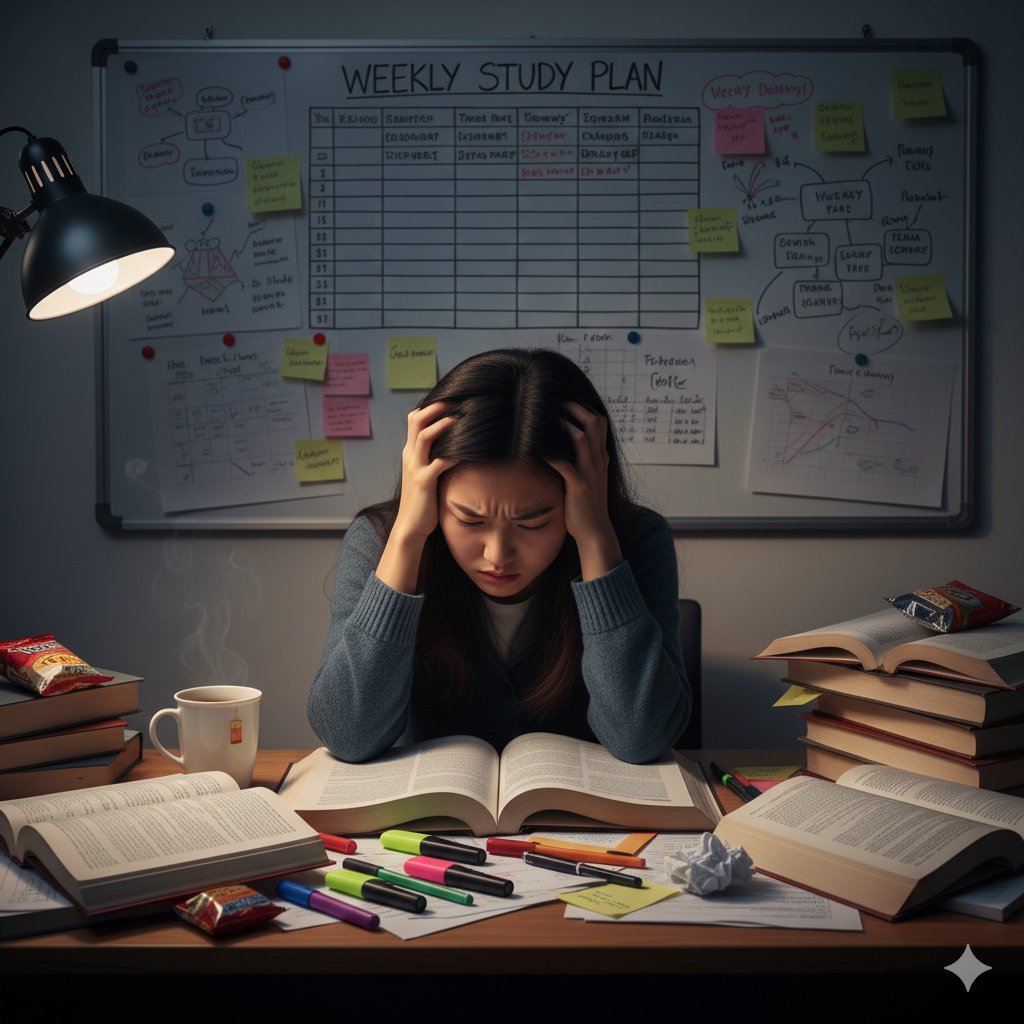
If exams are stressing you, you might:
- Make a study timetable
- Revise daily
- Pick your weakest chapter and start there
- Ask a friend or teacher for help
- Practice past papers
Instead of thinking “Mera kuch nahi hoga,” you take charge.
2. Work Stress
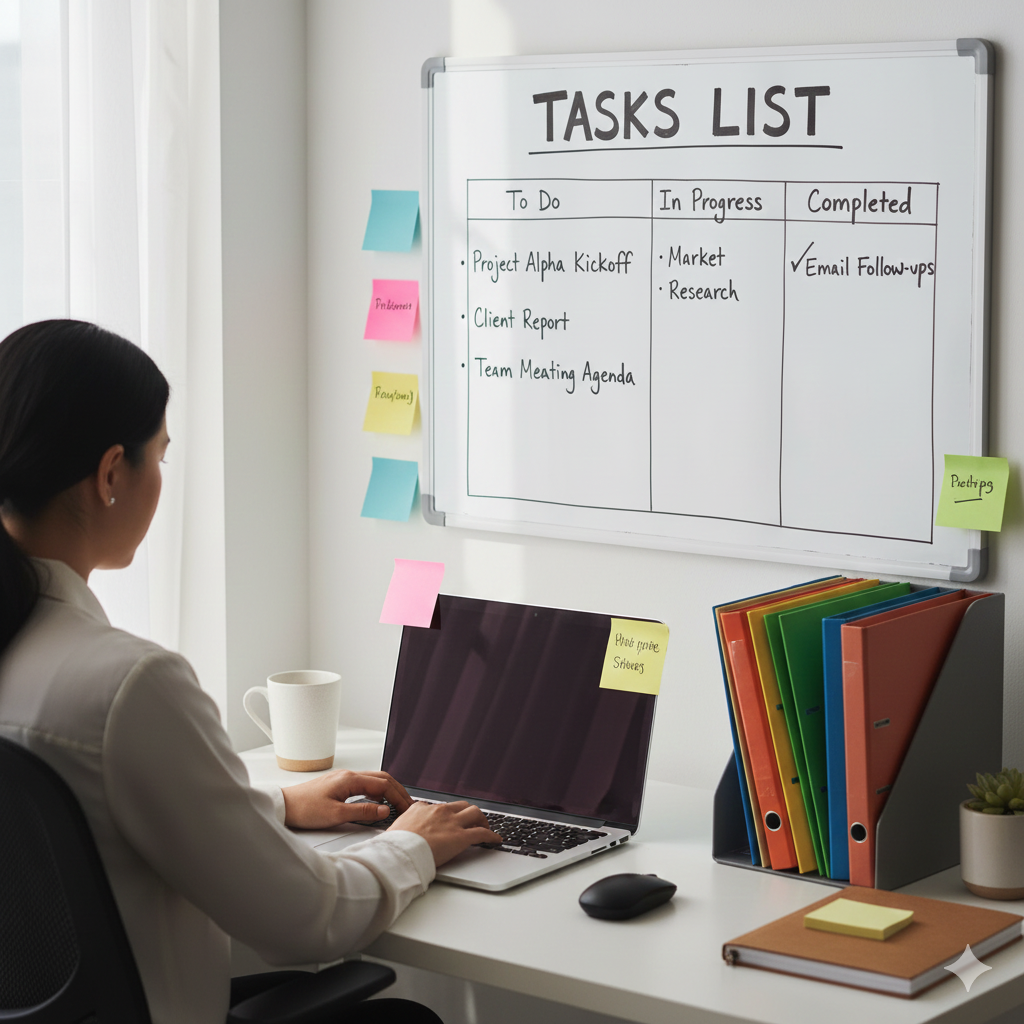
We’ve all been there deadlines, pressure, tasks piling up.
Problem-focused coping looks like:
- Making a to do list
- Finishing important tasks first
- Talking to your boss about workload
- Learning a new skill to work faster
You can’t control your office, but you can control how you handle the stress.
3. Money Problems

This is one of the most common stress triggers.
Solution-based actions include:
- Making a simple budget
- Cutting unnecessary expenses
- Finding a part-time gig
- Asking for financial advice
- Tracking your spending
I personally think money related stress reduces fastest when you put everything on paper.
4. Relationship Issues
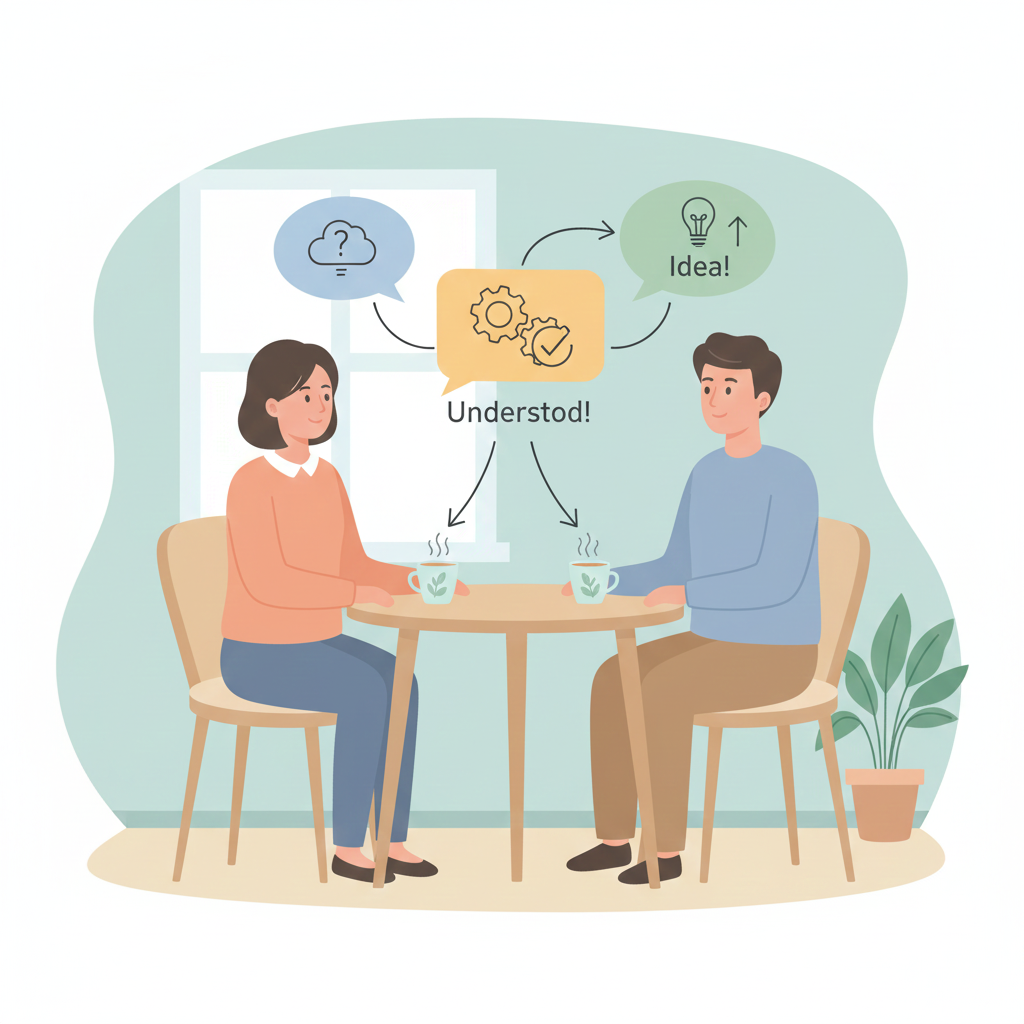
Instead of overthinking or shutting down, you:
- Have an honest conversation
- Try to understand the root problem
- Apologize if needed
- Set boundaries
- Ask for space if you’re overloaded
Communication itself is problem-focused coping.
5. Health Stress

This could be:
- Visiting a doctor
- Starting a morning walk
- Eating healthier
- Sleeping properly
- Taking medicines on time
Small changes can reduce huge stress.
Problem-Focused vs Emotion-Focused Coping
Many people confuse these two, so let me simplify:
Problem-Focused Coping
✔ Fix the problem
✔ Take action
✔ Make a plan
✔ Long-term relief
Emotion-Focused Coping
✔ Reduce the feeling of stress
✔ Calm yourself
✔ Distract yourself
✔ Short-term relief
Example:
If you’re stressed about an exam:
- Emotion-focused: listening to music, taking a walk and venting to a friend
- Problem-focused: actually studying, planning and practicing questions
Both are valid, but when the situation is solvable, problem-focused coping works far better.
In my opinion, a balanced mix of both works best. Calm yourself enough to think clearly, then solve the issue.
When Should You Use Problem-Focused Coping?
Use it when the situation is:
✔ Under your control
✔ Changeable
✔ Something you can improve with action
Examples:
- Studies
- Health habits
- Time management
- Work performance
- Communication
- Daily responsibilities
Don’t use it for things outside your control (past mistakes, someone else’s behavior, accidents, etc.).
The Easiest Step-by-Step Method to Use Problem-Focused Coping
I want this to be very practical, so here is the most beginner-friendly method.
Step 1: Identify the real problem
Half the time we’re stressed about something else entirely.
Example:
You feel stressed because you’re “lazy,” but the real issue is poor planning.
Ask yourself:
- What exactly is stressing me?
- Can I control this?
- What part of this is solvable?
Step 2: Break the problem into small pieces
Big problems feel scary.
Small tasks feel doable.
Example:
Instead of “I have to lose weight”, break it into:
- Drink more water
- 10-minute walk today
- No sugary drinks
Small steps = less pressure.
Step 3: Make a list of possible solutions
Don’t aim for perfection. Just write down anything that might help.
Questions to help:
- What can I do right now?
- Who can guide me?
- What can I learn?
- What small habit could help?
Step 4: Choose one realistic plan
Not the “ideal” plan, the possible one.
Start simple. Start small.
Step 5: Take action
This is the step most people skip.
Action is where stress truly begins to melt away.
Even if the action is tiny like making notes or organizing your desk it starts building momentum.
Step 6: Check your progress and adjust
Ask yourself:
- Did this help?
- Should I try another method?
- What worked best?
This makes you flexible and improves your coping skill with time.
Benefits You’ll Notice in Daily Life
From my experience and from people I’ve seen use this method and these benefits are very real:
✔ You feel mentally stronger
✔ Your confidence grows
✔ You overthink less
✔ You solve problems faster
✔ Stress reduces naturally
✔ You start believing in yourself more
It’s amazing how much lighter life feels when you start taking charge.
Common Mistakes (Avoid These!)
❌ Trying to fix everything overnight
❌ Making huge plans but taking no action
❌ Trying to control things that aren’t in your hands
❌ Expecting perfection
❌ Giving up after one failed attempt
My Personal Opinion About Problem-Focused Coping
Honestly this is one of the most practical, realistic, and powerful ways to deal with stress. It doesn’t promise miracles, just progress. And progress is what truly reduces stress.
What I personally love about this approach is that it pushes you to take responsibility for your life in a gentle and empowering way. Instead of thinking “ Why does this happen to me? ” you naturally shift to “ Okay how can I handle this better?”
This small mindset change can transform the way you live, work, study, and deal with people.
And yes, it is completely okay if you are slow at it.
The important thing is you’re trying.
Conclusion
Problem-focused coping is not complicated. It’s simply about:
- Understanding the problem
- Breaking it down
- Finding solutions
- And taking action
Anyone can do this, yes even if you think you’re “ not good at handling stress ”
Just one small step at a time. read more
About the Author