Have You Heard About Mpox?
You might have seen headlines about Mpox recently and wondered, “What is it, and should I be worried?” Don’t stress .most people hadn’t heard of it until the 2022 outbreaks. In this guide, I’ll explain everything in simple terms so you can understand what Mpox is, how it spreads, and what you can do to stay safe.
What Exactly Is Apekopper?
Monkeypox, also known as Apekopper or Mpox, is a viral disease that can be passed from animals to people. It is in the same family of viruses as smallpox (Orthopoxvirus), but the good news is that it is usually much milder.
Professor Olav Dalgard from the University of Oslo says that the most important thing to do when dealing with Mpox is to be aware of it. He says that knowing about the virus, its symptoms, and how it spreads helps people stay calm and take the right steps. The first step to staying safe is to stay up to date.

Professor Jörn Klein from the University of South-Eastern Norway talks about how important it is to stay calm during Mpox outbreaks. He says that panic can cause people to spread false information and make them scared for no reason. The best ways to protect yourself and others are to stay calm and do things like wash your hands and follow Apekopper medical advice.
Where Did It Come From?
Mpox was first discovered in monkeys in 1958, which is how it got the nickname Apekopper “monkeypox.” The first human case was recorded in the Democratic Republic of Congo (DRC) in 1970.
Here’s a quick timeline to make it easier to follow:
- 1958: Virus found in monkeys
- 1970: First human case in Congo
- 2003: U.S. outbreak, 37 people infected
- 2018: First European cases reported
- 2022: Outbreaks in multiple continents
- 2023: Large outbreak in Congo
According to Professor Dalgard, one reason Mpox started appearing in Europe is that smallpox vaccination stopped after 1980, leaving younger generations without immunity.
How Does Mpox Spread?
Animal-to-Human
- Bites or scratches from infected animals
- Contact with blood or body fluids
- Eating undercooked bushmeat
Human-to-Human
- Close contact with someone who is infected
- Touching skin lesions or blisters
- Breathing in respiratory droplets during prolonged face-to-face contact
- Using contaminated items like clothing or bedding
The good news? Mpox is not highly contagious like COVID-19. Experts estimate only about 10% chance of infection from close contact.
What Are the Symptoms?
Mpox usually shows up in two stages:
Early Stage (First Few Days)
- Fever
- Headache
- Muscle aches
- Fatigue
- Swollen lymph nodes (a key difference from smallpox)
Rash Stage
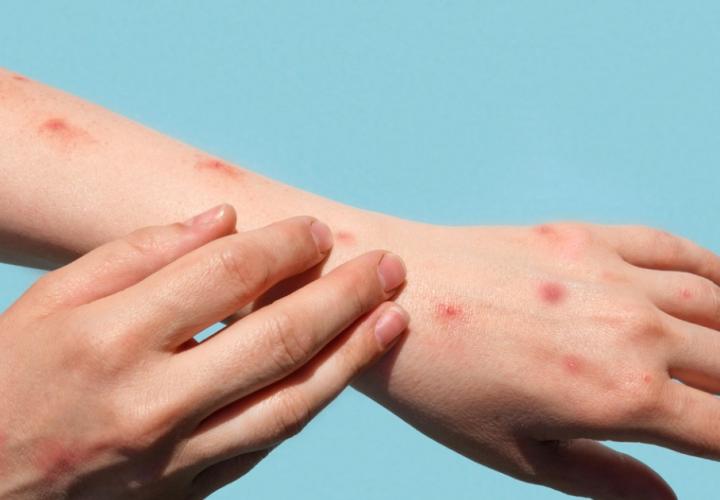
After a few days, a rash appears:
- Red spots on the skin
- Raised bumps
- Blisters filled with fluid
- Pustules with pus
- Crusts that eventually fall off
This process usually lasts 2–4 weeks. Most people recover fully, but those with weakened immune systems may experience more severe illness.
How Is It Diagnosed?
Doctors often identify Mpox by looking at symptoms and rash. Labs can confirm it using a PCR test from blister fluid.
Treatment Options
Most people recover naturally. Here’s what can help:
Symptom Relief
- Pain or fever relief: paracetamol or ibuprofen
- Keep skin clean and dry
- Drink plenty of fluids
- Cover lesions to prevent spreading
Antiviral Treatment
- Tecovirimat may be prescribed for severe cases
- Vaccination within 4 days of exposure can prevent or reduce illness
How to Protect Yourself
Here’s a tip: prevention is simple if you’re careful.
- Avoid close contact with sick people or animals
- Wash your hands regularly
- Don’t eat undercooked bushmeat
- Avoid sharing clothing or bedding with someone sick
- See a doctor if you notice fever or rash
Experts like Professors Dalgard and Klein emphasize that awareness and calm action are far more effective than panic.
Vaccine Information
- The smallpox vaccine gives about 85% protection against Mpox
- Modern vaccines like MVA-BN / Imvanex / Jynneos are safer and effective
- Recommended for:
- Healthcare workers
- Close contacts of confirmed cases
- People with weakened immunity
- Healthcare workers
Conclusion
Now that you know the basics of Mpox, remember: it’s rare and usually mild, but staying informed is key. Good hygiene, avoiding risky contact, and vaccination if recommended will help keep you safe.
About the Author